
BlogField Notes· Transfer & Car Rental
Getting around in Antalya for 1 week: transit card or a rented car?
FindAntalya Guide TeamAugust 24, 20267 min read
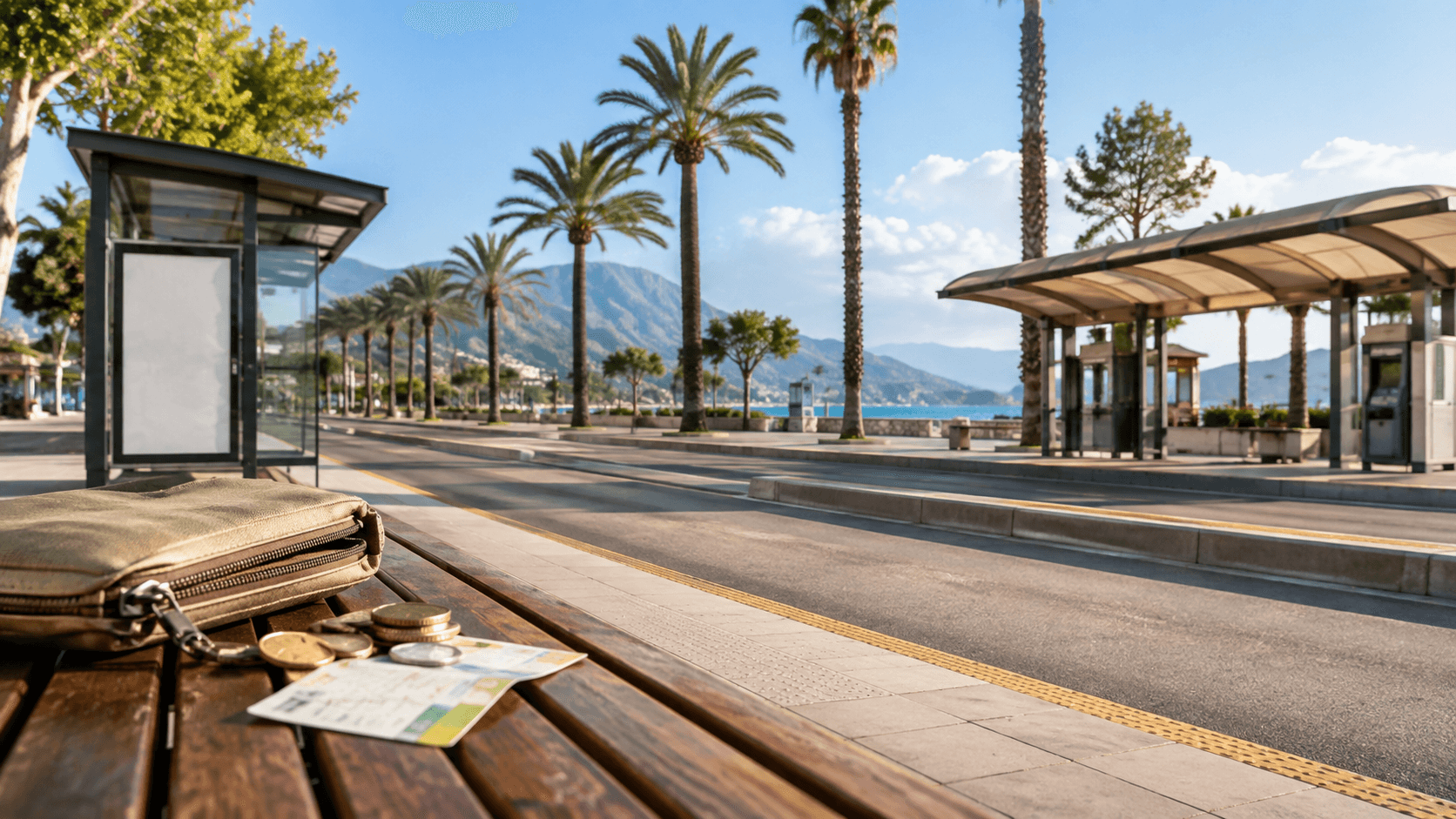
If you’re planning a week in Antalya, for most days a transit card and public transport is more sensible; because we’re going back and forth from the center to the surrounding areas with frequent trips, and we don’t have to deal with parking worries. But if your plans involve “distance” for two or three days, then renting a car really saves time.
Now think of this: In our bazaar, everyone uses the same route—but the “which day” you use it changes everything. When the market sets up on Sunday, things run completely differently; and once the evening cool starts, the seaside walking route gets longer. In this piece, we’ll make your “card or car” decision clear based on Antalya’s local rhythm.
First-day rule: separate “center vs. outside” from the start
Don’t think of Antalya as one straight line. The Kaleiçi side, the Lara side, the Konyaaltı line, and the Kepez areas may seem similar, but their daily flow is completely different. If your hotel is close to the falaz (sea cliff) line, we’ll get to most places during the day either on foot or with just a few stops. On the first day of a week, don’t look at the map—look at “where we walk from, and where we catch the dolmuş (shared minibus/commuter van).”
It comes down to this: Public transport lets you move around the areas around the center without waiting around. In nearby areas, the time loss from one-way stretches is small; even when you have to transfer, the city runs in an orderly way. And since you don’t have to search for parking, extending the day is easy. On my first arrival, I thought, “After all, everything is close.” Then in the late afternoon, you know those orange lights that come on somewhere… In the middle of that, there was no parking— I was stuck between driving around looking for a spot and taking a walk. My mood sank, and the next day we switched back to public transport.
When does public transport with a card work better?
The card setup is the easiest negotiation inside the city. Especially if you’re going to visit a few areas in the same day—say, a plan like: morning bazaar, lunch with the line at an esnaf lokantası (local tradespeople’s eatery), and then returning to the beach in the evening—public transport doesn’t wear you out. With buses and the tram line, moving along some main corridors is a smoother path. And in many places, the distance between stops compresses into that “a few minutes on foot” range.
In our parts, we have a habit: we split the day up. Going out a bit earlier in the morning means you finish before the heat really presses down, and around midday you wait in shaded spots. When the queue forms for the esnaf lokantası line toward noon, it stops being “how do I get there” and becomes “if I turn into which street, the line goes down faster.” Here, public transport is an advantage—because when we get in the car, we end up taking on both the parking and driving stress at the same time.
And don’t forget this: In Antalya, a “touristic route” and a “local route” aren’t the same. A local route often winds through smaller streets and more lively bazaars. In those kinds of stops, public transport is often more sensible—because there are points you might not even want to drive to and don’t want to drive into. So when you go by card, you only think about the place you’re going to. When you go by car, you have to think about both where you’ll arrive and your car—too.
When does renting a car turn out to be worth its weight in gold?
A car is a lifesaver for plans that want “to go long within a single day.” In Antalya, you think that if you spread it out to every region in the same day, the time will get shorter—but trips outside the city can blow up again as traffic rises wave by wave. That’s where a car saves time. Especially if you’re heading to certain points outside the beach area, to areas that are set a bit more inland, or if you’re going early in the morning and returning late in the evening, the car is simply more comfortable.
When you step out of the bazaar and look “a little farther out,” the scenery isn’t just for photos—there’s walking, breaks, small shopping… Once you’ve prepared the car for each stop, the day flows more smoothly. In the summer heat, even short breaks feel longer; with a car it’s easy to say, “Let’s grab some water over there,” and then head right back. If you try to do that with public transport, some transfers force you to the next stop.
A small mishap that happened to me was this: I picked up the rental car on the first day and said, “Okay, now we’re free.” Then when noon heat hit, we ran late for somewhere; and when we were looking for parking, the time kept slipping. Then we did this: we used the car for just two days. The other days were card days, even some days on foot. That way we caught the balance of car freedom without ruining it—without sacrificing the parking/convenience balance.
A 7-day plan example: hybrid is the most sensible
If it were me, I’d go “hybrid”: card along the center and seaside line; use a car on the days you need distance day by day. For example, after you settle into the hotel for the first two days, tidy up the surrounding areas. On the third day, pick a route that stretches “inward”—and the car that day will help you. Then on the way back, go back to the card. That way you balance the cost and reduce day-internal fatigue.
Your program can run like this: fewer driving hours in the early morning, then city circulation around midday; and in the evening, with the cool air, a seaside walk and the return. The advantage here is the tempo of local life. In our parts, once the air cools down in the late afternoon, things speed up; the dolmuş gets crowded and you build your plan around that. If you go by car, you end up having less room to finish the day with walking because you’re dealing with the parking search instead of using the crowd.
In short: if your accommodation is close to the central corridors, you’ll be comfortable for most days with the card. If your accommodation is on the outer lines, or if you’re thinking of “multiple regions in one go,” then compressing the car to two or three days makes it both practical and economical. Still, decide based on how dense your own route schedule is; in Antalya, the decision doesn’t come from the map—it comes from the rhythm of the day.
Frequently Asked Questions?
“If my hotel is around Konyaaltı/Lara, is the card enough?”
For most travelers, yes, because along the seaside line the main routes run more orderly, and it’s easy to combine a few stops by walking. Still, plan in advance the days you’ll move toward the center or into more inland areas. If the day runs long, then it makes sense to think about using a car that day.
“When I rent a car, can I just go by car everywhere?”
No. In the city center (especially around the coast and the bazaar), parking and narrow streets can stretch out your day. In our parts, the plan is this: handle the distance part by car, and solve the city interior for most days with walking and public transport. That way you gain both time and energy.
“How do I balance costs best in one week?”
The most balanced method is hybrid: accumulate your city days by card and limit the number of days when a car is needed. Group your big route days (long distances, many stops). That way both parking/transport stress drops, and your total spending stays under control.
For up-to-date operating information and reviews about the places mentioned in this article, check out FindAntalya'da Transfer & Araç Kiralama listesine göz atın.
Featured with FindAntalya
Build your whole Antalya trip in one place
Flights, transfers, tours, hotels, insurance — find the best deal with FindAntalya-approved partners.
Airport transfer
Meet & greet, fixed price to your hotel
See prices
Car rental
Local suppliers, airport pickup
See prices
Tours & activities
Boat, safari, diving, day trips
See prices
Museum & attraction tickets
Aspendos, aquarium, theme parks — mobile ticket
See prices
Tourist eSIM / data
Get online the moment you land
See prices
Travel insurance
Policy in minutes, peace of mind
See prices
Hotels & stays
Compare by area, find the best deal
See pricesPartner links; booking and payment are completed at the provider. Prices come from the provider.