
BlogSeasonal Guide· Transfer & Car Rental
Getting around Antalya with a baby stroller/wheelchair
FindAntalya Guide TeamAugust 23, 20266 min read
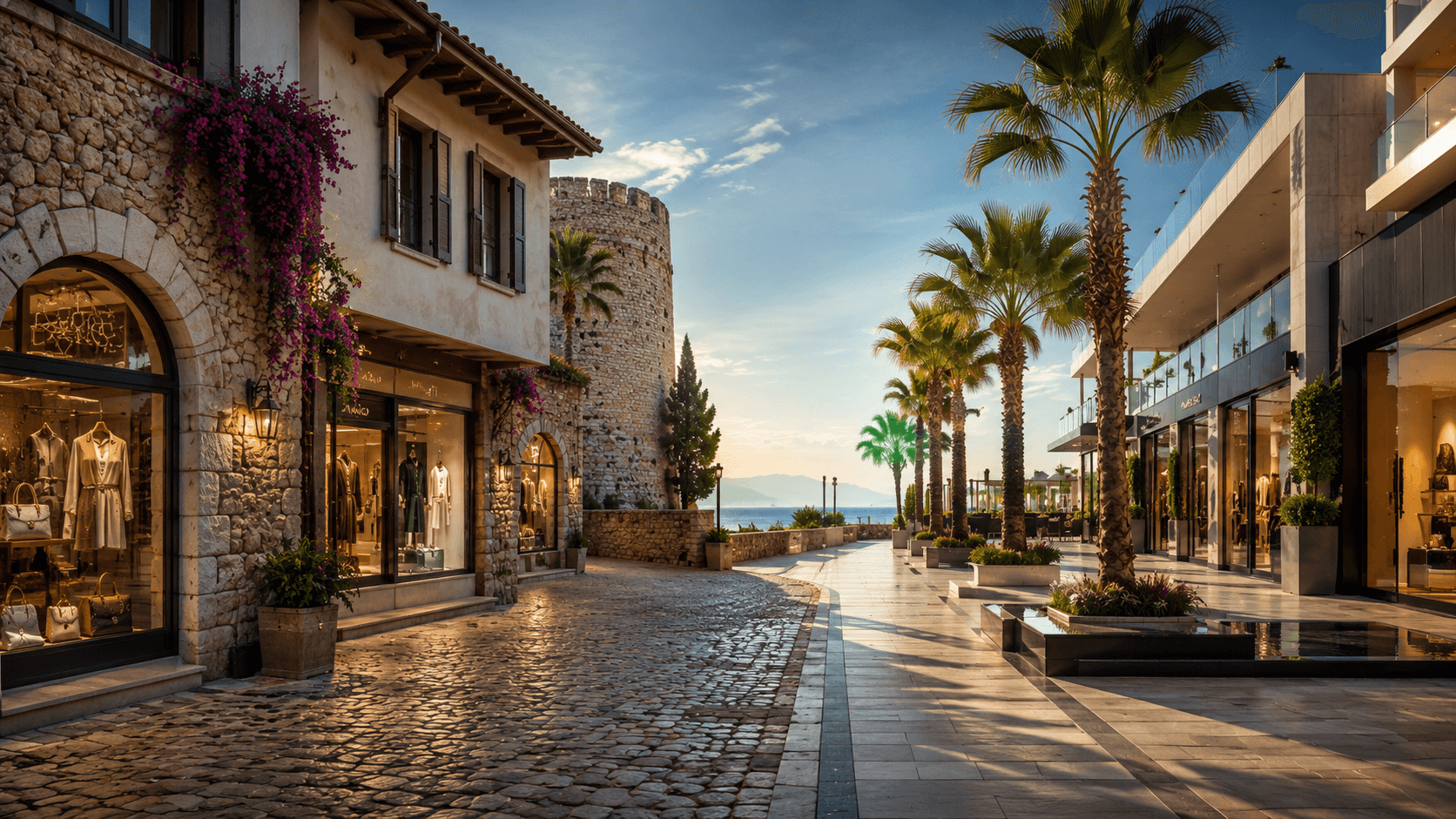
Getting around Antalya with a baby stroller or a wheelchair on public transport isn’t simply “possible, but comfortable every day, at every point.” The biggest difference is the season. In summer, the heat and the crowds wear you out; in winter it’s more manageable, but on some roads issues can come up due to slopes and the continuity of sidewalks.
The seasonal reality: What changes in July–August? In this period, the biggest rival in Antalya is the weather. Especially after 10:00 in the morning, if the “waiting in the heat” time gets longer, your public transport plan can fall apart quickly. Standing at stops—waiting with a baby or a wheelchair—becomes even more exhausting; because even the wind often isn’t enough on its own, and finding shade isn’t possible everywhere.
Crowds also gradually blend in more and more: due to the school holiday and peak tourism, along the main corridors (routes connecting to the city center) there’s an increasing passenger load during the day. That’s why the moment of boarding becomes critical. Even if the stroller has a ramp/accessible entry, the crowd of people waiting on the platform can make maneuvering near the door difficult. For a wheelchair, on the same line during boarding and exiting, depending on how full the space inside the vehicle is, the chance of “a bit of squeezing” also rises.

In areas close to the sea there’s a kind of “pleasure” in summer; but for planning public transport, the waterfront doesn’t always mean an easy route. While the seafront at some points is straight and walkable, when switching between public transport with a baby stroller or a wheelchair, you may run into slopes, short stretches of rough ground, or different levels. So you can’t say, “the coast is beautiful, but everything connects with the same comfort everywhere.”
In these months, the practical advice is clear: shift your trip to the early hours of the day or to a cooler evening, and for most people that makes a decisive difference. Even a short distance—think of it “including waiting time.” Being at a stop in the sun for 15 minutes can be more tiring than walking a kilometer.
The accessibility issue: the stop–approach path–maneuver triangle In Antalya, the performance of public transport in terms of baby strollers and wheelchairs isn’t tied to a single thing; it’s determined together by stop design, the likelihood of an entry/exit ramp, the continuity of the sidewalk, and the “short walks” in between.
This is what you feel on the ground: even if you pick the right line, it isn’t reasonable to expect easy “door-to-door” convenience at every stop. Some stops have a flat surface and an easy transition; at other stops, you might see a level difference between the roadside and the sidewalk or temporary obstacles (construction/repairs, narrow sidewalks, parked vehicles). For a baby stroller, that usually means “maneuvering in a tight space”; for a wheelchair, it comes more down to “turning radius and how well the surface grips.”
So when building your movement plan, a realistic rule works: don’t think of the route only in terms of “time on the vehicle,” include the walking to and from the stops. As in many cities, in Antalya accessibility tends to be “good in the best-case scenario,” but “more tiring in the middle of the day and when it’s crowded.”
For a quick decision, this observation helps: in sloped areas (in some neighborhood connections), the pushing/pulling load for a wheelchair can increase; for a baby stroller too, the risk grows of the wheels catching between curb edges and losing control. That’s why, if possible, it’s advantageous to move along flatter corridors and choose places near stops that offer a more “clean” entry/exit.
Between November and March: Easier, but open to surprises In winter and transition months (roughly starting from November), the weather in Antalya becomes clearly more manageable compared to the suffocating heat of summer. Because the midday sun weakens, waiting at stops is easier, and even if crowds don’t disappear completely, they aren’t at the same level as in summer. This makes it less stressful to go out with a baby stroller and to deal with boarding and exiting.
On the sea side, however, the mood changes depending on the season. In November, the water may not be as warm as “full summer,” but for many travelers it means “a short cooling-down.” On colder days, a brief pleasure can be more logical. As March approaches, as the days get longer and the air warms up, the comfort of seaside walks increases. Still, in terms of public-transport accessibility, one thing doesn’t change: the city’s street texture in some places, the continuity of sidewalks, and level differences at transitions can affect your day regardless of the season.
The good news for this period: searching for shade becomes less critical, and your time outside with a baby can be longer. The bad news: on some days, rain and wet ground can make wheelchair traction worse and can make the ground more slippery for a baby stroller. Being cautious on wet sidewalks and at transitions is especially important in areas with ramp-like transitions.
Quick planning checklist - Time: If possible, remove the midday hours from your plan in summer; for transition days, aim for early hours / a cooler evening. - Stop: Don’t just consider “arrival”—even the first 5–10 minutes after leaving the stop matter. - Maneuver moment: Think about the crowd in front of the door and the possibility of a turning maneuver. - Interface: When choosing your route, take into account the continuity of the sidewalk, slopes, and level differences. - Climate: Don’t forget that heat makes “waiting” bigger, and rain increases “ground” problems.
Frequently Asked Questions ## “Is using public transport in Antalya with a baby stroller difficult—practical?”? It can be challenging on busy days like August, especially because of waiting at the stop and the crowding during boarding and exiting. From November to March, it becomes more practical. Still, don’t expect exactly identical accessibility at every stop; the short walks around the stop area and the sidewalk conditions are decisive.
“For a wheelchair, what could be the biggest risk?”? Most often, the biggest risk is “the stop area rather than the vehicle”: sidewalk width, level differences, and how the crowd can compress things in front of the door. On routes with slopes, the pushing load can increase. That’s why, if possible, you need to choose flatter corridors and make the boarding/exiting moment clear.
“Is transport in areas close to the sea easier for baby/stroller and wheelchair users?”? Not always. Sometimes the coastline can look more walkable, but transitions to public transport and some side streets can bring level differences or discontinuous sidewalks. Also in summer, crowds increase along the seaside route; that can make boarding and exiting moments harder.
For up-to-date operating information and comments about places mentioned in this post, check out FindAntalya’s Transfer & Car Rental list.
Featured with FindAntalya
Build your whole Antalya trip in one place
Flights, transfers, tours, hotels, insurance — find the best deal with FindAntalya-approved partners.
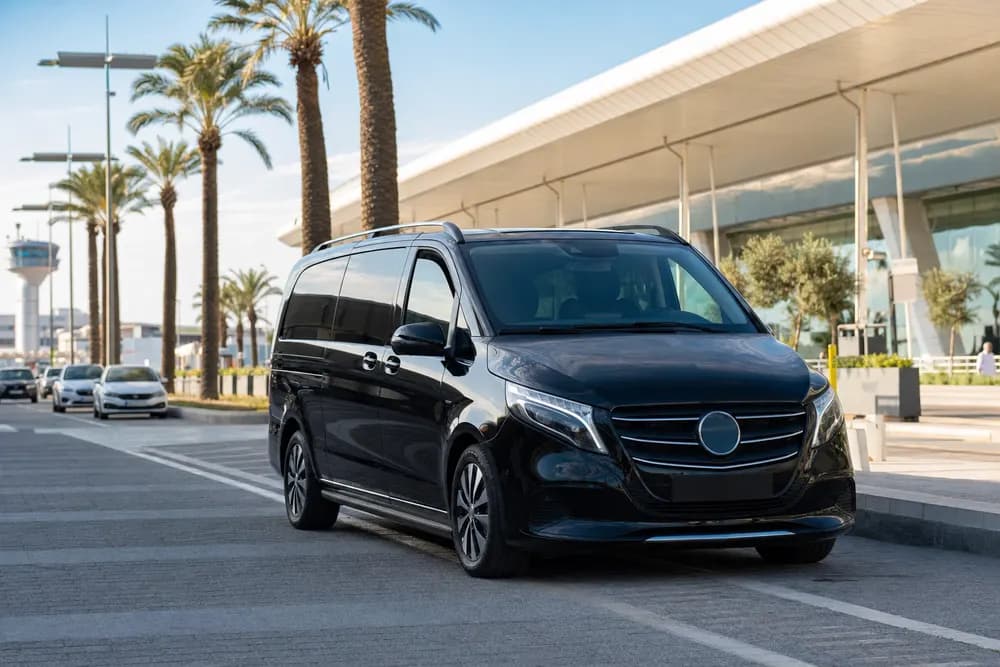
Airport transfer
Meet & greet, fixed price to your hotel
See prices
Car rental
Local suppliers, airport pickup
See prices
Tours & activities
Boat, safari, diving, day trips
See prices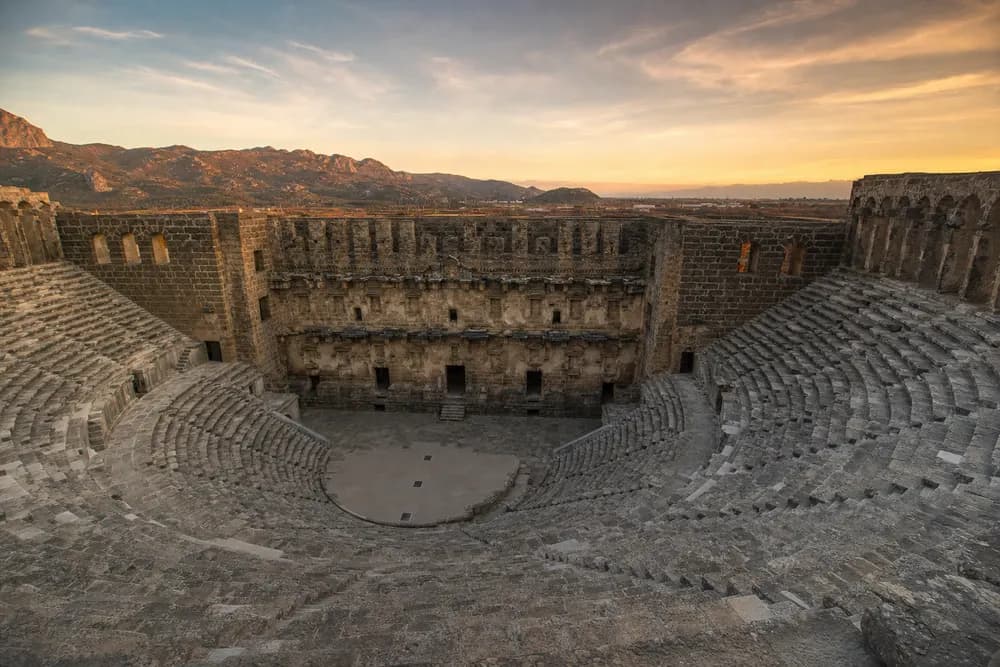
Museum & attraction tickets
Aspendos, aquarium, theme parks — mobile ticket
See prices
Tourist eSIM / data
Get online the moment you land
See prices
Travel insurance
Policy in minutes, peace of mind
See prices
Hotels & stays
Compare by area, find the best deal
See pricesPartner links; booking and payment are completed at the provider. Prices come from the provider.