
Antalya’s beach season isn’t earlier than you think
FindAntalya Guide TeamJuly 3, 20267 min read
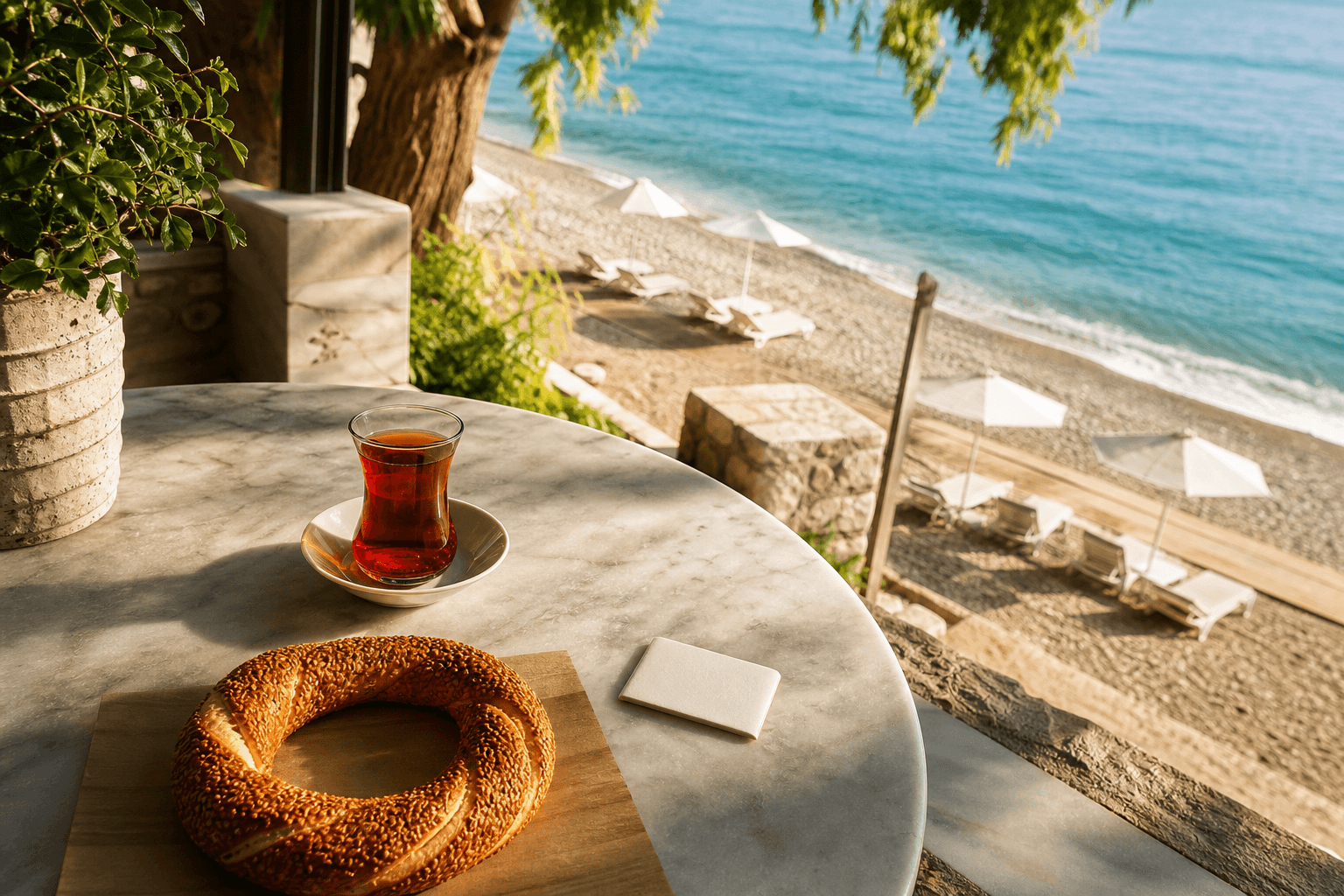
When does beach season start, really which month?
In Antalya, beach season does not open on a single date. The air warms up, but the sea is a separate story. The first swims along the coastline usually begin toward the end of spring; that is, there are people getting into the water before summer even arrives on the calendar. But what we call the “real season” is, for most people, the period when the brief chill of the water passes and sitting on the beach for long stretches also becomes comfortable. That usually stretches from the end of spring to the beginning of autumn.
You have to make this distinction: sunbathing is one thing, swimming comfortably is another. In April and May it is possible to spend time on the shore; but in the early morning hours the water can still stay cool. With June, the picture changes clearly. In July and August the sea reaches its most in-demand state. September, meanwhile, is one of the most sensible months in Antalya: the heat is still strong, the crowds drop a bit, and the sea is suitable for swimming on most days. In short, even if people think the season starts “when schools close,” in practice the first serious buzz comes earlier.

What matters here is not only the month. Wind, currents, the time of day, and the shape of the coast change the game. On the same day, the sea may look perfectly calm near the city center, while at another point the waves can be annoying. So if possible, choosing early morning or late afternoon hours will make things easier, especially for the first dip. Checking the weather and sea conditions the day before you go prevents setting off for nothing.
The most sensible way to go to the sea on little money
In Antalya, you do not need a big budget to enjoy the sea. In fact, instead of pricey options, places used by locals, easy to reach and suitable for stretching the day out are often more sensible. What you need is simple: transport, water, a towel, shade, and a bit of patience. You can still spend the day without a sunbed, extra service, or a crowded café setup.
One of the most affordable methods is to use the reasonably priced dolmuş (shared minibus) lines from the city center down to the coast. The dolmuşes heading from the center toward the shore are still one of the least wallet-burning options for a day-trip beach plan. Especially the lines going up toward Konyaaltı or the dolmuşes approaching the shore in the eastern direction are ideal for the “let me go dip into the sea and come back out” mindset. Depending on the district you are going to, the number of vehicles increases, but the general logic is this: the farther you get from the center, some places become quieter, while others are a bit more troublesome in terms of transport.
The budget tactic is clear: reduce your stuff, spend most of the day in the same place, keep eating and drinking outside to a minimum. If you bring your own water, a small snack, and sunscreen if needed, you will cut beach spending dramatically. The kiosks and seating areas around the beach usually inflate the budget. Instead, it is often smarter to complete what you need from a market with a short walk.
Another low-cost method is to focus only on swimming. Long breakfasts by the sea, an intense beach setup, extra activities — and the costs grow. But going early and staying for 2–3 hours, then heading back, both eases the strain on your wallet and lets you use the sun more carefully. Sometimes Antalya’s sea is best enjoyed in its simplest form.
The public beach logic: what to look at, what to skip?
When choosing a public beach, the first question should be this: is it easy to reach, is there any extra burden at the entrance, is there a shade option? Some spots are so close to the city center that they are suitable for going back and forth often during the day. Others are quieter, but the transport time is longer. For someone with a limited budget, the right choice is not the “most spectacular” one, but the one that causes the fewest surprises.
The Konyaaltı side is often preferred because it is easy to access from the center. Since the beach is long, the crowd spreads out; there is a chance to walk around and find a spot that suits you. Thanks to its proximity to the center, going and returning by dolmuş is effortless. That makes the day cheaper. Some parts of the beach can be pebbly; you should be prepared for that. Beach shoes help here, but they are not a must.
On the eastern side, some public beaches feel quieter. However, the transport time can be a little longer. If the goal is to escape the crowds and spend the day in a calmer mood, these sides can be considered. Still, it is important not to make unnecessary transfers on the way. In Antalya, the most wallet-friendly beach plan is usually the one you can reach with a single dolmuş or, at most, one short walk.
Instead of spending hours around expensive facilities, it is wiser to choose free or very low-cost areas. In places that are reasonably priced compared to the city center, you can handle simple needs outside and then move on to the beach. Also, skipping the busiest midday hours and going early in the morning both makes finding a place easier and offers a more comfortable experience.
Going by dolmuş, a Sunday plan, a wallet-friendly routine
If you want to make a Sunday beach plan in Antalya, you should keep it simple and not drag it out. Leave in the morning, head down to the shore by dolmuş, get into the sea before noon, then return before the crowd picks up. This routine is both cheap and does not burn through the rest of your day eating and drinking. Public transport in the city can feel more relaxed on Sundays; but toward the coast, timing still matters. If you leave late, you will get caught in the return rush.
When it comes to dolmuş routes, thinking in terms of direction is more correct than focusing on names. The lines going west from the center connect areas close to the sea. To the east, other beach options open up. Before you go, check the most direct line from your district to the shore. Sometimes one dolmuş takes you straight to the right coast, sometimes a short walk is needed. The best-case scenario is the one without transfers and with short access.
The biggest saving on a Sunday plan comes from preparation from home. Fill up your water, take light food, grab your towel and hat. That way you reduce the pressure to consume expensive things on the beach. If you also bring a small blanket, you won’t have to deal with looking for a sunbed. The most economical way to experience the sea in Antalya is sometimes just sitting on the sand and choosing the shade well.
And there is also this: do not think of beach season only as “swimming.” Sometimes going to the shore, taking a short walk, dipping your feet in the water, and just seeing the sun is enough. For someone short on money, this approach is more sustainable. Instead of a full day every week, making shorter but more frequent escapes protects the budget. Especially in the late spring and early autumn period, this method works very well; the crowds thin out a bit and the beach becomes easier to breathe in.
The bottom line is clear: in Antalya, beach season may look like it starts with summer on the calendar, but in practice it begins to stir from the end of spring; the most comfortable period for most people is midsummer and September. And the way to get in cheaply is to choose not the flashy places, but public beaches that are easy to reach, low-cost shore spots, and a well-timed dolmuş plan. If you are asking where to look on this budget, the most sensible starting point on FindAntalya is to sort through the options close to the city center that are easy to reach and free or affordable.
For up-to-date business info and reviews about the places mentioned in this article, browse Antalya businesses on FindAntalya.
Featured with FindAntalya
Build your whole Antalya trip in one place
Flights, transfers, tours, hotels, insurance — find the best deal with FindAntalya-approved partners.

Airport transfer
Meet & greet, fixed price to your hotel
See prices
Car rental
Local suppliers, airport pickup
See prices
Tours & activities
Boat, safari, diving, day trips
See prices
Museum & attraction tickets
Aspendos, aquarium, theme parks — mobile ticket
See prices
Tourist eSIM / data
Get online the moment you land
See prices
Travel insurance
Policy in minutes, peace of mind
See prices
Hotels & stays
Compare by area, find the best deal
See pricesPartner links; booking and payment are completed at the provider. Prices come from the provider.