
Places in Antalya Where You Can Swim for Free: Shoreline Vibes, District by District
FindAntalya Guide TeamJuly 2, 20269 min read
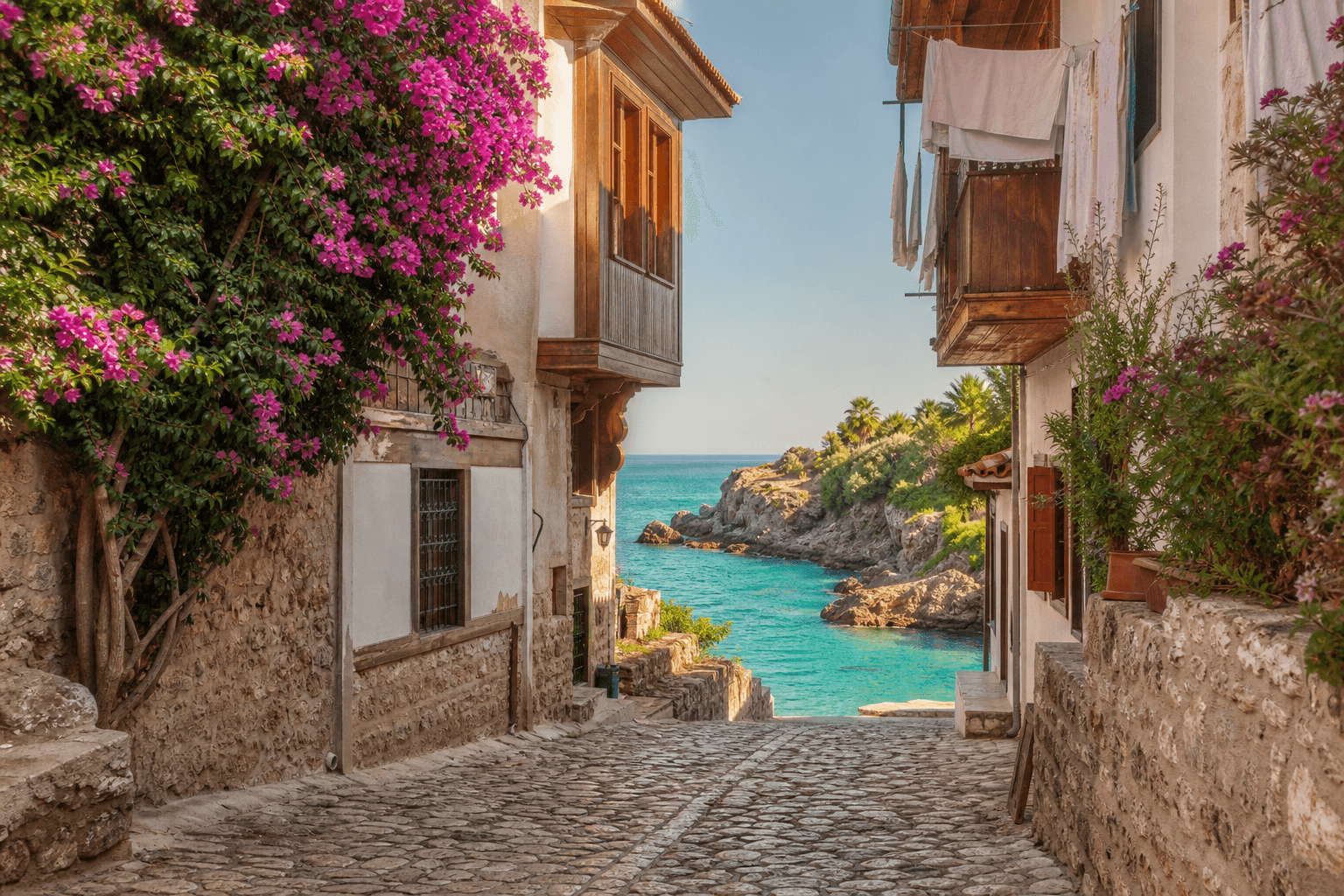
The Language of the Seafront Is Different
When talking about places in Antalya where you can swim for free, there’s no need to dress things up. A shoreline is sometimes a bit of gravel, sometimes the edge of a pier, sometimes a public beach you walk to; and the way to touch the water without spending money usually opens right there. In this city, the seafront is cool and calm in the early morning, and crowded and a little image-conscious in the late afternoon; I came to love Antalya most between those two states.
In short, Antalya’s coast is a city that “tries to look stylish but still has sea sand on its feet.” On one side there’s the cliff line where concrete and sea live side by side, and on the other there are public beaches reached from neighborhood streets, coastal stops you get to by dolmuş (shared minibus), and the smell of a çay bahçesi (tea garden/café). Still, go in the morning; because by afternoon, the same place stops being the same place.
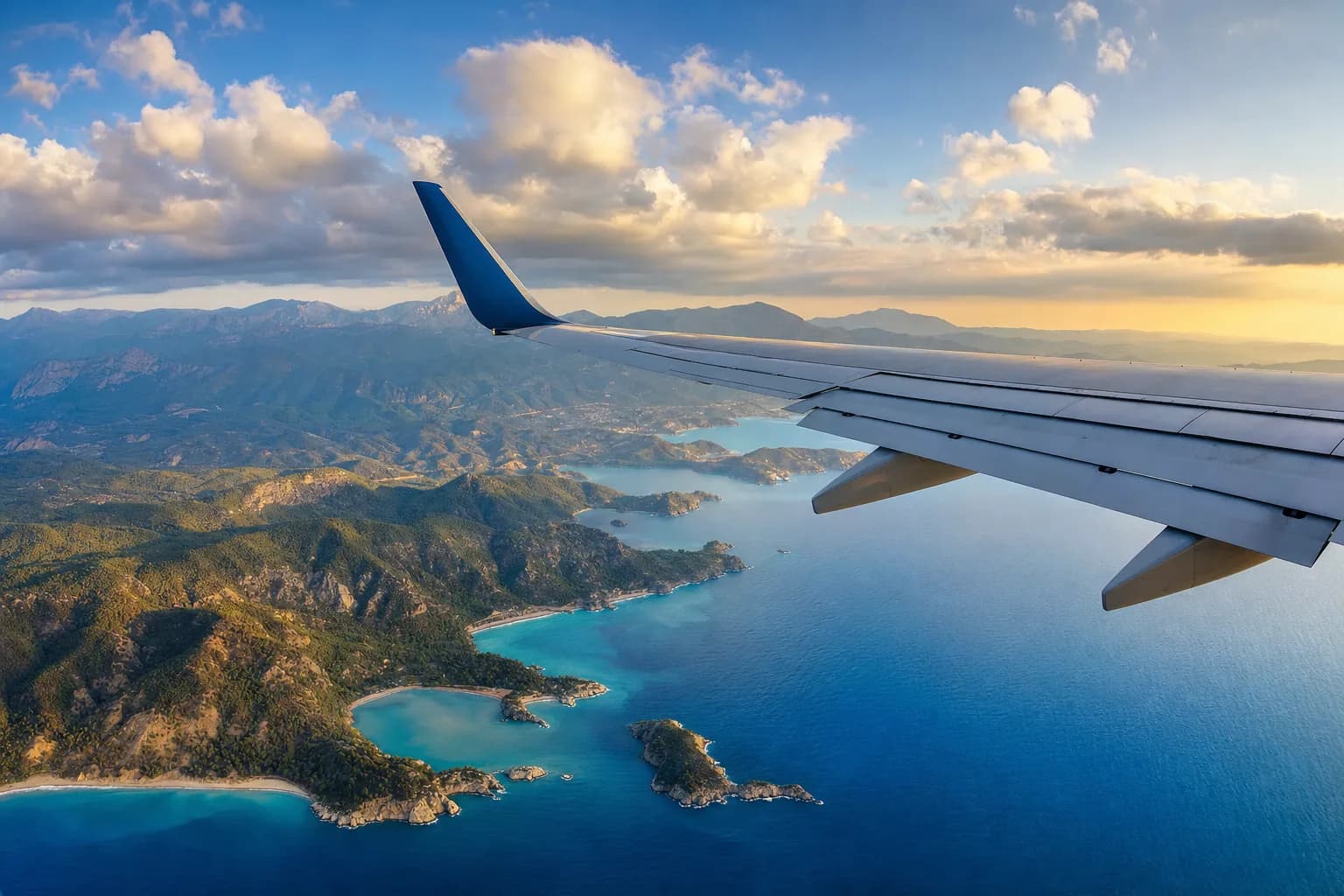
On Top of the Cliffs, the Neighborhoods Bargaining with the Sea
When you think of Antalya, the first line that comes to mind is the cliffs. This high coastal strip isn’t a place to jump straight into the sea; but the spots where you can walk, go down stairs, and sometimes sweat a bit to reach the water are hidden right here. Along the Konyaaltı side, the long seaside promenade brings together morning runners, people fishing, retirees drinking tea from thermoses; if you ask who lives here, it’s everyone who wants to consume city and sea in the same day.
The morning of this area is clean. The sea looks clearer early on, there are fewer people sitting on the benches, and when the wind hits your face you think, “Okay, so you can have a holiday without paying too.” By late afternoon, the picture changes; children, people exercising, families hunting for ice cream, cyclists, tourists taking photos… They all gather on the same walking line. The cliché is this: everyone watches the sunset. Still, I think the most honest part of that moment is the mix of the itinerant vendors, the smell of sweat, and the asphalt heat blending into the sea water as the sun goes down.
The logic of approaching the free sea along this strip works a little by wandering. It doesn’t leave you comfortably with a direct “go in here,” but that’s the coastal character of the city anyway: a little stubbornness, a bit of walking, and a bit of asking “where does the dolmuş leave from?” I like the dolmuş because in Antalya, the half-tourist, half-local way to reach the coast is often exactly that; instead of piling into a taxi, you get off with the dolmuş and walk the last ten minutes, saving money and taking in the smell of the neighborhood along the way.
Konyaaltı: Urban, Easygoing, and Aware of It
The Konyaaltı district is one of the safest answers for anyone looking for free sea access. The shoreline is wide, the walking path is long, and it’s easy for the public to blend into the sea. Here, in the morning, you hear more the sound of pebbles than sand; even people who like walking in shoes eventually take off their sandals. Among those sitting by the sea, you’ll see every type of person from students to retirees, from morning exercisers to office workers coming to clear their heads after work.
The district’s character in one sentence: Konyaaltı is the urban coast that makes the sea part of daily life. That’s why people looking for free swimming feel at ease here, because the idea of reaching the beach doesn’t get trapped inside the logic of entering a gated facility. You can come with your own towel, without an umbrella or a sunbed, and go into the water; of course, the most comfortable spot and the most crowded spot are not the same thing, and that’s something you should accept from the start.
I once went out here one morning and left my phone at home. At first I thought it was a disaster. Then I realized that without the phone, everything around me had started to look sharper; I noticed the simit vendor, the children going into the sea, the uncles drinking tea on the bench, and the wind blowing toward the cliff side much better. Antalya’s free sea sometimes feels more restful to me than a luxury hotel, because here nothing is being sold as a spectacle; there’s water, there’s a path, there are crowds, and that’s it.
Lara and Nearby: A Long Shore, a Different Tempo
Things change a bit on the Lara side. This area has a longer shoreline, regular access points in places, and a more active urban rhythm. The idea of swimming for free is not completely alien here either; but it has a somewhat unpredictable structure, so you shouldn’t expect a system so easy that everyone can just jump straight into the water from where they’re sitting. Still, with walking, suitable entrances, and the surroundings of public areas, contact with the sea is possible.
Lara’s streets often feel more orderly, newer, a little wider, and a little more “planned.” Flowered medians, coffee shops, bakeries under apartment blocks… the district likes to present itself neatly. But in the early morning, that neatness loosens; the smell of the sea, freshly baked bread, cleaning water, and salty wind blend together. In the evenings, more people go for walks, more people take photos, and the shoreline turns into a social corridor.
This side is one of those districts that seem touristy at first glance but are everyday once you get into them. On the one hand, it attracts outsiders; on the other, it keeps its neighborhood rhythm. The traveler who comes here for free sea access is usually the type who doesn’t want to give up comfort entirely but still wants to keep an eye on the budget. In other words, someone who doesn’t want to pay for a sunbed no matter what, but also doesn’t mind laying a towel on the sand. I’m in that camp too, honestly.
Who It Suits, and Who Might Get a Little Bored
If you’re looking for free sea access in Antalya, the winners are those who like walking the most. Because in many places, coastal access doesn’t work as “the sea in one step,” but as “a bit of road, a bit of dolmuş, then the shore.” The free-access areas in the city look simple when you plan them at a desk, but once you get out on the ground they turn winding; in some places you go down stairs, in some places pebbles make your feet suffer, and in some places what dominates is not going into the sea but watching it.
These districts are especially for people who want to see a lot on a small budget. Instead of chasing an expensive café in the midday heat, it makes more sense to go into the water at a public beach and then sit in a çay bahçesi (tea garden/café). Eating something at a local eatery and walking along the coast is, in my eyes, what makes Antalya a “good trip”; not a shiny packaged holiday, but real city business. Families with children, morning swimmers, solo wanderers, cyclists, and people without a photo obsession all feel comfortable here.
But let me be honest: the comfort isn’t equal everywhere. Some entrances are crowded, some spots are stony, and at certain hours you don’t enter the sea so much as you enter a sea of people. Still, in a city you came to for free sea, you have to accept at least this much; the thing that’s free is often not quiet. Still, go early, grab some shade, get in the water, then sit at the nearest çay bahçesi (tea garden/café); that’s where Antalya really comes into its own.
A Coast That Has a Different Morning and a Different Evening
On Antalya’s coast, morning and evening are not the same scene. Morning is the hour of local life. Fishermen, walkers, people stopping by for a swim before work, people with a simit bag tucked under their arm, and those who want to watch the sea alone all share the same strip. The sea looks calmer, the air is less sticky, and the city hasn’t started marketing itself yet.
When evening comes, things change. The coast becomes a meeting point. The lights come on, music can be heard, the running pace slows, families set up their chairs, and young people spread out on the benches. At that hour, Antalya tries a little too hard to look cool; that’s exactly where I start laughing. Because no matter how polished the city gets, underneath it all there’s still the sound of a dolmuş, sea salt, children shouting, and neighborhood habits.
For someone looking to swim for free, the right time is usually not the period after late afternoon, but the gentle transition up to late afternoon. You can get into the water before the sun gets harsh and then linger by the shore. Choosing those hours instead of battling the summer midday heat is smart; the crowds thin out a bit and the sea becomes more bearable. Antalya’s free side is more generous to those who arrive early.
Keep This in Mind When Heading to the Shore
- Dolmuş transport works well in many coastal districts; check the stop points before you go.
- On stony stretches, water shoes make things comfortable; otherwise you’ll start complaining in the first ten minutes.
- Early mornings are calmer; evenings are social but crowded.
- Shade isn’t abundant everywhere, so take a towel and water with you.
- There are food and drink options around public beaches, but you’re not forced into the places that look expensive.
Antalya’s free-sea question is actually solved by understanding the character of each district. Konyaaltı is urban and practical, Lara is broader and more controlled, and the cliff line is a city stage that asks for a bit of walking. In my eyes, the city speaks like this on the shore: “If you want, I’ll show off; if you want, I’ll leave you alone.” For anyone who wants to get into the sea without paying, that’s good news; if you’re patient, get up a bit early, and can accept a little sand under your shoes, Antalya won’t leave you empty-handed.
For up-to-date business information and reviews about the places mentioned in this post, Browse Antalya businesses on FindAntalya.
Featured with FindAntalya
Build your whole Antalya trip in one place
Flights, transfers, tours, hotels, insurance — find the best deal with FindAntalya-approved partners.

Airport transfer
Meet & greet, fixed price to your hotel
See prices
Car rental
Local suppliers, airport pickup
See prices
Tours & activities
Boat, safari, diving, day trips
See prices
Museum & attraction tickets
Aspendos, aquarium, theme parks — mobile ticket
See prices
Tourist eSIM / data
Get online the moment you land
See prices
Travel insurance
Policy in minutes, peace of mind
See prices
Hotels & stays
Compare by area, find the best deal
See pricesPartner links; booking and payment are completed at the provider. Prices come from the provider.