
Antalya’s Real Rhythm During Ramadan and Bayram Days
FindAntalya Guide TeamJuly 2, 20268 min read
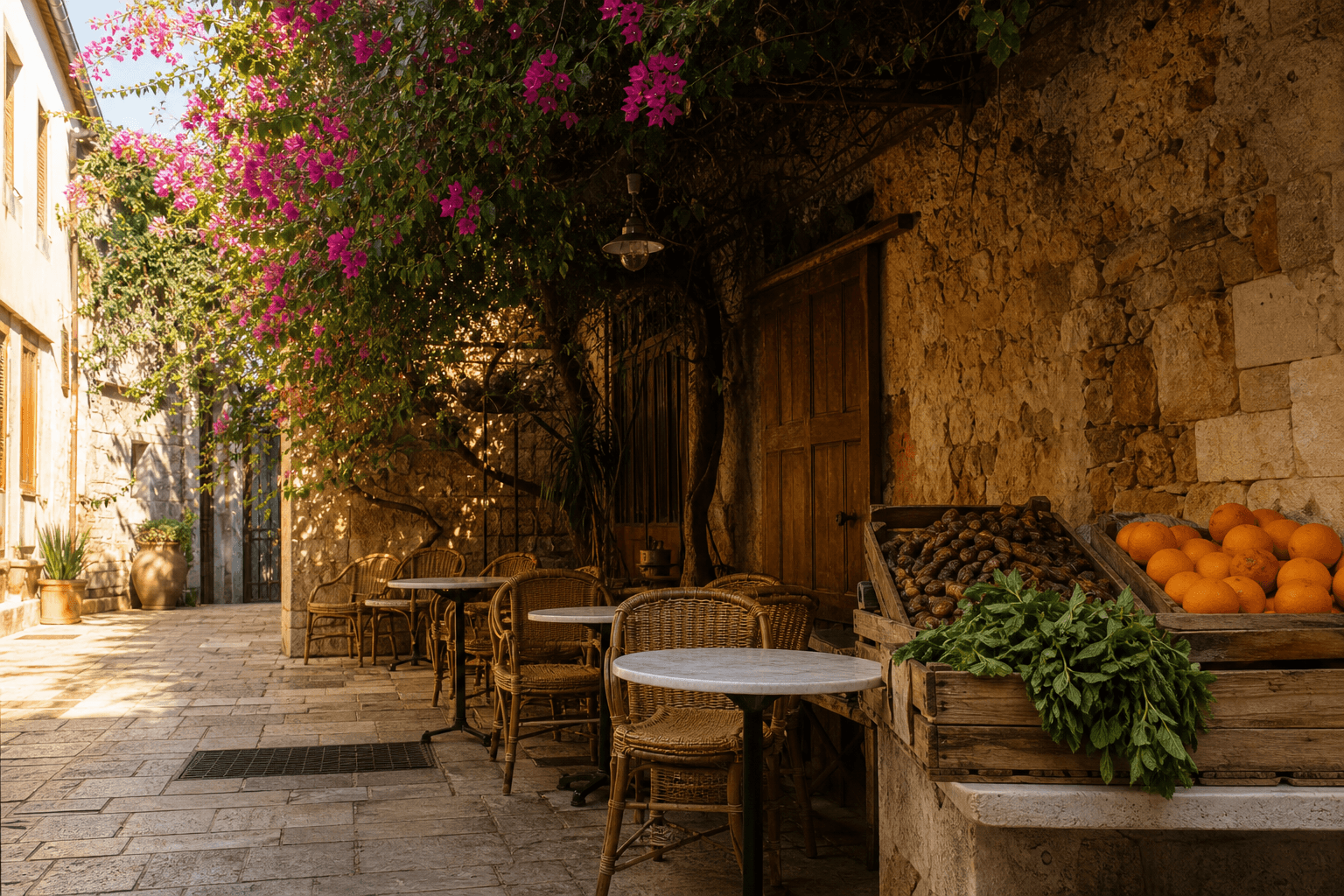
Early in the morning, the city is more honest
I saw Antalya most clearly in Ramadan in the early morning. Before the air has fully warmed up, the streets open, short queues start forming in front of the bakery, and the first scent of tea drifts onto the table in the çay bahçesi (tea garden). The seafront road is calmer; there are walkers, and there are also people trying to make it to work. One morning I forgot my umbrella, and before noon the sun gave me a lesson; by late afternoon, nobody believed that famous line, “it’ll cool down a bit.”
Ramadan mornings are barely anything like the Antalya of tourists and the Antalya of people who live here. Around Kaleiçi, the shops take it slow; on the Konyaaltı side, some streets quietly pull themselves together as if preparing for the rest of the day. Still, go in the morning; because both the shade is more generous and the dolmuş (shared minibus) is less fussy. Especially when you’re walking through the side streets and run into someone carrying grocery bags, the city’s real tempo becomes easier to understand.
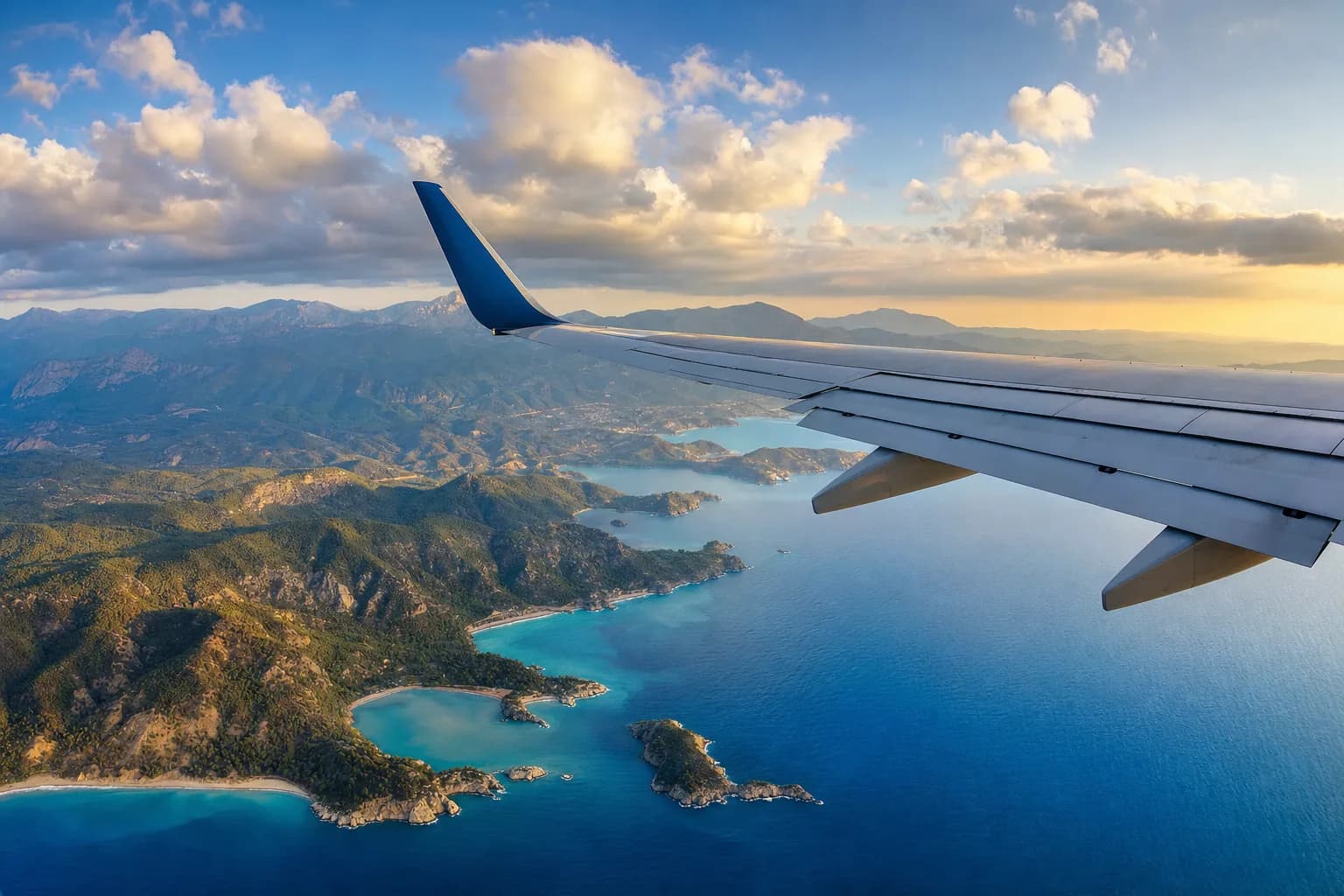
At noon, it’s not the tourist route, but the esnaf lokantası
When noon comes, the game changes. While people are chasing photos by the sea, locals drift toward shadier streets and esnaf lokantası (tradesmen’s eateries). The places with bloated prices show themselves at once; there’s a menu, a shiny sign, and a tablecloth that tries too hard. I never had anything to do with them. Simple food, fast service, a short break; that’s how the city breathes in Ramadan.
Especially in neighborhoods close to business centers, lunchtime runs tighter. Around Muratpaşa, in the direction of Çallı, around Meltem, or in the streets where the old residential line continues, people sit not as if waiting for iftar, but as if trying to finish the day’s work. If there’s a queue, it’s not there for nothing. But don’t let that scare you; sometimes even standing between two tables is enough to hear the city’s pulse.
That happened to me too. One noon, thinking “I’ll take a short walk,” I went looking for a shaded spot, turned into the wrong street, and five minutes later found myself waiting for a dolmuş on the opposite sidewalk. My phone battery was low too; classic luck for me. But thanks to that mistake, in a side street tourists barely ever go to, people were drinking tea, chatting in front of the shuttered shops, and glancing at the clock to see how much time was left until iftar.
By the sea in the late afternoon, but with the stage changed
In Antalya, the evening cool arrives late, but when it does, the city suddenly straightens itself out. In Ramadan, the seafront walk is calmer; everyone walks without shouting, as if minding their own business. Along the Konyaaltı coast there are cyclists, strollers, people coming back from the grocery store with bags in hand, and those who say, “I’ll just do one lap and come back.” The walks facing the Falez side flow the same way: unshowy, but steady.
Tourists often tie the evening to the restaurant menu. Local people, on the other hand, think first of the wind, then the shade, and only last of the stone to sit on. I’m the same. If I sit on a bench by the sea and find a tea, that’s enough; no need to look for an expensive table, anyway the wind is free, though sometimes it’s a bit too harsh. On an evening walk, forget your headphones, because the city tells its own story not badly at all, and quite plainly.
At this hour there’s a rhythm along the coast. Runners thin out, families multiply, and in the hours close to iftar nobody overdoes it. Around the public beach there’s a different kind of movement too; some put their feet in the water, some sit in the shade, and some complain, “the sea is too cold today.” On a Ramadan evening, Antalya gives up on rushing a little, and that does the city good.
At Bayram, the city spills over, but everyone doesn’t flow in the same direction
On Bayram morning, Antalya’s rhythm changes. Everyone wakes early. Around the mosques, in neighborhood lanes, at the florist’s, and in front of the bakery, there’s a short but intense movement. Then family visits begin; the streets in the center calm down for a while, but the coast, parks, and shaded avenues start filling up. Not everyone goes to the same place, and that’s a good thing. The city gets crowded, but it doesn’t quite act like a fairground.
The first day of Bayram is usually the heaviest; traffic slows, dolmuşes come full, and walking is sometimes smarter than taking the car. Especially in the afternoon, when everyone who wants to go from the center down to the coast gets the same idea, things drag on. One Bayram day I got on a dolmuş for a short distance; the stop I wanted to get off at slipped right past me, and the driver said “the next one” just when I needed it, so I got off at the next stop and then walked two streets back. In short, Bayram in Antalya makes you walk a little.
The direction of the local crowd is usually clear. Some families go to shopping streets, park areas, and the seafront strips that cool down in the evening. Others choose to sit in relatives’ houses in quieter neighborhoods. Even if the tourist side seems to keep a holiday mood going, for locals Bayram mostly means visiting, waiting on the road, dolmuş, tea, and short breaks. Don’t make showy plans; the day already pulls you into its own tempo.
Which hour, which street feels more alive
In this city, time matters. Early morning is good for the market and the bakery area. Noon is the right time for shaded streets and esnaf lokantası (tradesmen’s eateries). As ikindi (late afternoon prayer time) approaches, the inner bazaar area straightens out a bit, and by late afternoon the seaside walk and parks come to the fore. If you stay out until night, there will be crowded places, but by then everyone has started a different story.
The days when the market is set up are especially striking. Neighborhood markets are more orderly in the first hours of the morning; picking produce is easier, and you get things done before the crowd presses in. Once, right in the middle of the market, I stretched out with “I’ll take that too,” and the bags slipped from my hands; the tomatoes enjoyed a moment of freedom. A kindly auntie helped me; in Antalya, those little acts of solidarity are still here. So go to the market not alone, but with a bit of spare time.
There isn’t just one route for an evening walk by the sea either. The Konyaaltı coast suits those who want a longer, wider walk. Along the Falez line, you walk without fussing over the view, feeling the wind on your face. Around Kaleiçi, the number of steps is smaller but the crowd is bigger; there the point is not speed, but watching the flow. Still, don’t leave it too late, because in Antalya, what you call a beautiful hour can be ruined in an instant by the sun’s stubbornness.
The easiest way to understand Antalya at Bayram
What makes the city special isn’t a single flashy spot. When the quiet walk by the seafront in Ramadan, waiting in a shaded esnaf lokantası (tradesmen’s eatery) at noon, and a short tea break in the neighborhood streets in the evening come together, the real Antalya appears. Of course there are places that shine like stars on the tourist map, but the city’s real line runs through different streets.
This is what I love most: Antalya explains itself without shouting. Expensive tables, ornate menus, places that swell up because they have a “view” — I think they love themselves a bit too much. But someone waiting at the dolmuş stop, a family coming back from the market, young people walking along the Falez at evening cool, and someone putting their feet in the water at the public beach — that’s the true photo of this city. I see the same thing both at Bayram and in Ramadan; the city shines, but it doesn’t forget to keep its feet on the ground.
If you’re coming to Antalya during this period, loosen the plan a little. Go out early in the morning, find shade at noon, and in the evening walk by the sea. Slip in a çay bahçesi (tea garden), see a neighborhood market, and don’t worry about taking the dolmuş two stops too far and coming back. The city isn’t forcing you to rush anyway; if you walk in a way that suits it, Antalya’s Ramadan and Bayram mood becomes easier to understand.
For up-to-date business info and reviews about the places mentioned in this post, see Browse Antalya businesses on FindAntalya.
Featured with FindAntalya
Build your whole Antalya trip in one place
Flights, transfers, tours, hotels, insurance — find the best deal with FindAntalya-approved partners.

Airport transfer
Meet & greet, fixed price to your hotel
See prices
Car rental
Local suppliers, airport pickup
See prices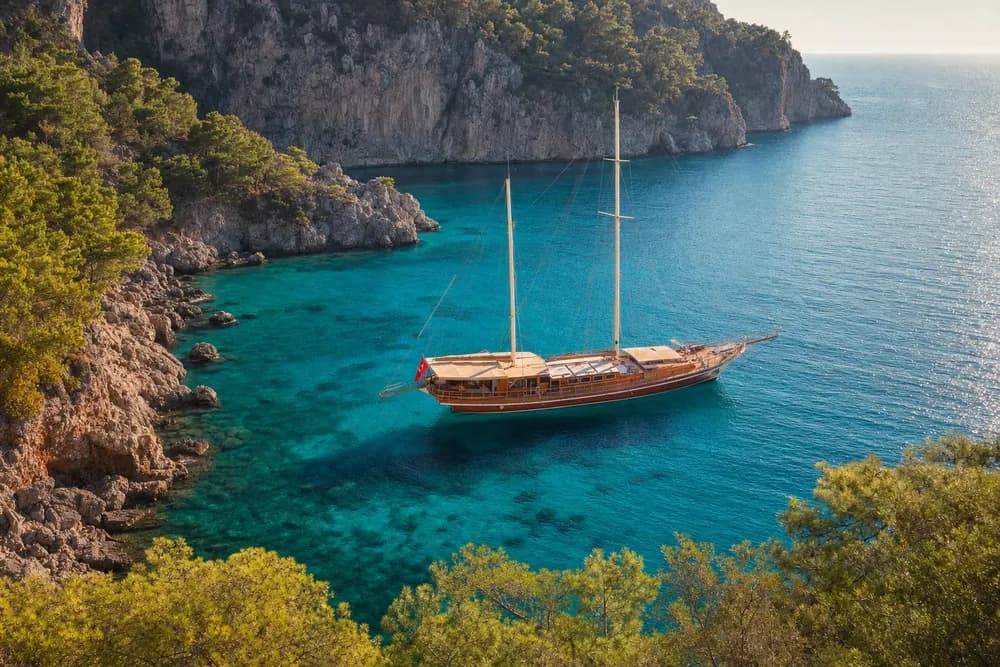
Tours & activities
Boat, safari, diving, day trips
See prices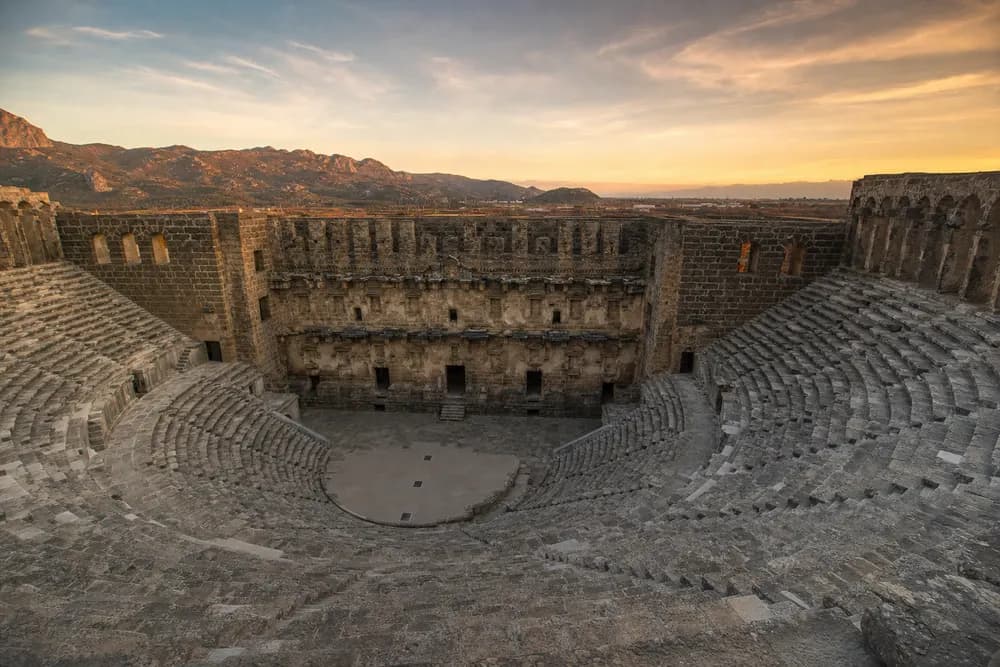
Museum & attraction tickets
Aspendos, aquarium, theme parks — mobile ticket
See prices
Tourist eSIM / data
Get online the moment you land
See prices
Travel insurance
Policy in minutes, peace of mind
See prices
Hotels & stays
Compare by area, find the best deal
See pricesPartner links; booking and payment are completed at the provider. Prices come from the provider.