BlogItineraries· Transfer & Car Rental
Antalya Dolmuş Culture Guide: Get On–Get Off, Find the Stop
FindAntalya Guide TeamAugust 20, 20267 min read
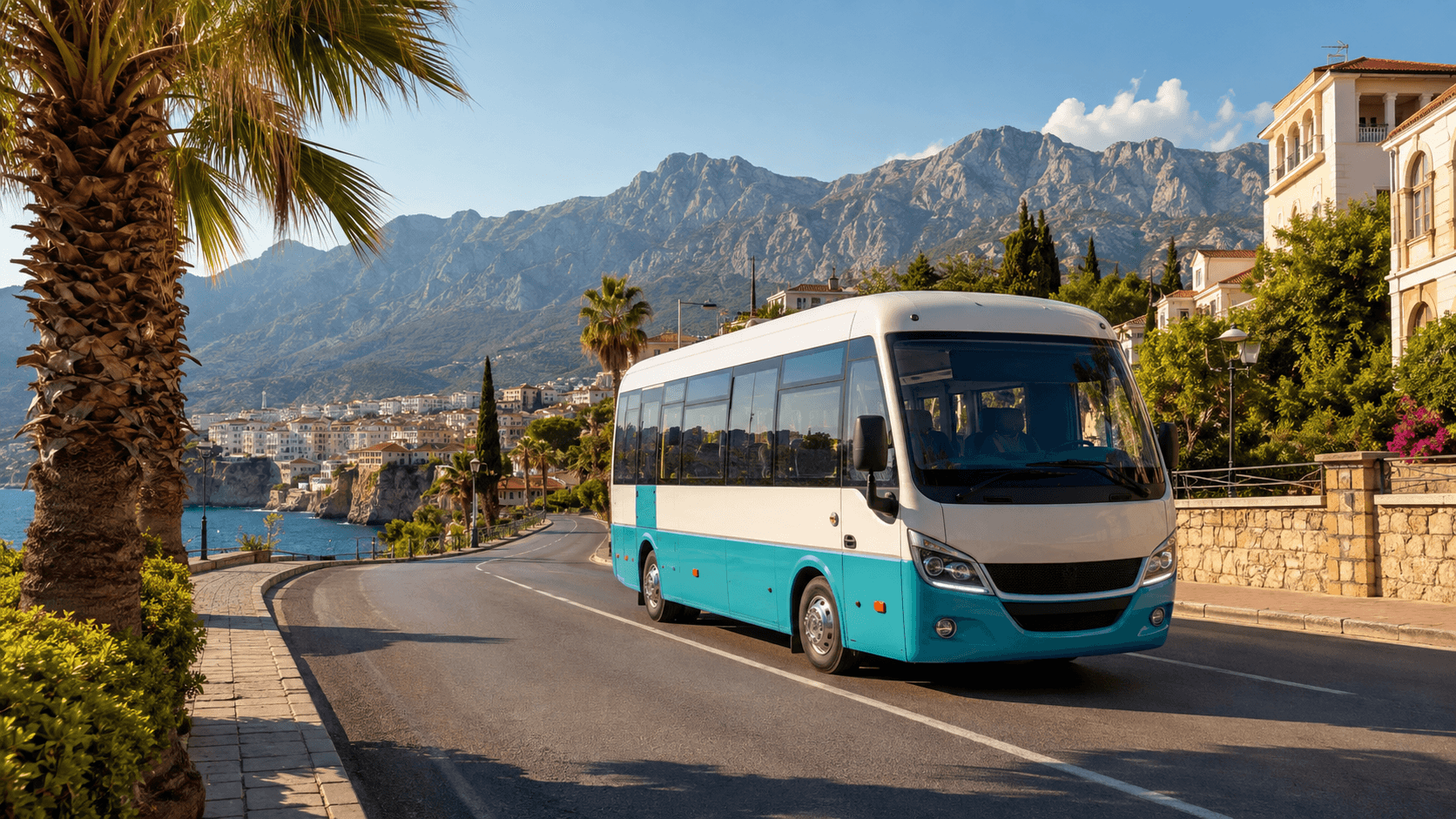
In-city transport in Antalya by dolmuş is, in most routes, a quick and budget-friendly option. Stops are generally on main streets; the lines are understood by “travel direction” and the destination neighborhood. Have your fare ready when boarding, tell the driver/conductor the stop or neighborhood, and once you get off, move to the safe side right away.
1-Day Dolmuş Trial Route Plan (Center + seaside line) The plan below is designed to “learn dolmuş culture on the spot”: first reading the correct stop, then getting-on/getting-off practice, and finally finding your way during evening hours.
09:00 — Start: Discover the logic of the stop - Your first target: understanding the “stop on the main street” logic. In Antalya, dolmuş vehicles are often seen more regularly on busy corridors (the seaside line or main boulevards). - While waiting at the stop, look for: - The travel direction in the front/side display of the dolmuş (e.g., “toward this direction”) and the destination neighborhood. - Because there can be more than one stop along the same route, use the combination of a signposted stop point or the standard line where people are expected to wait along the curb. - Practical tip: Learn by observing the difference between two dolmuş going the same direction (destination neighborhood/final stop).
09:30 — 1st dolmuş try: Boarding and fare prep - When approaching the dolmuş, stand close to the door. The driver usually has clarified the travel direction before starting to drive. - Keep your fare ready when boarding; on some vehicles there is a conductor, while on some lines the driver manages the process. - Effective communication: Say where you’re getting off as a clear neighborhood/direction. Phrases like “Is it near there?” are less smooth than “I’m going to this neighborhood / I’ll get off at this point.”
10:15 — Getting off practice: When to announce - On Antalya’s in-city dolmuş, announcing before getting off is critical. Instead of delayed lines like “Will you stop here now?” share your intention a few stops in advance. - Think of it like a rule: as you approach your destination on the road, saying “I’m getting off” lets the driver prepare. - After you get off: - Check one more time before crossing the road. Since dolmuşes stop and start often, you may encounter sudden gaps/sudden vehicle pull-outs.
11:30 — Walking break: Learn stops and pedestrian connections - The thing that truly gives meaning to dolmuş culture is how stops connect to pedestrians. Once you get off, walk around for about 5–15 minutes to see the surrounding main streets up close. - Answering the question: “Where is the next stop?”
13:30 — Lunch: Move to a different corridor with the 2nd dolmuş - Around midday, traffic density may increase; dolmuşes still look more regular on the main corridors. - Approach for the second ride: - Use the “direction/final stop” logic you learned on the first dolmuş. - There may be different lines going to the same neighborhood; check that you’re in the right direction based on the neighborhood you’ll go to. - Tip: If there are small route differences inside the dolmuş, and your destination isn’t extremely close, talking in terms of the “main neighborhood” is easier.
15:00 — Return near the seaside or a city stroll - Along the coast, dolmuşes are seen more frequently. As you get closer to the seaside band, you’ll notice the stops become busier too. - The purpose of this part isn’t really to choose a “place to visit,” but to observe how the get-on/get-off rhythm works with dolmuş. - Set aside time for a photo break/shopping, but don’t disrupt your return-to-stops plan.
17:30 — End of the day: Finding your way on the evening return - It may get harder to find your way in the late afternoon/evening; the stop can become crowded. - Final practice: - On the way back, state your destination in a single sentence (neighborhood name + “toward this direction” phrase). - Depending on how full the vehicle is, position yourself near the door for getting off, and consider sitting in the middle/back section according to where you’ll get off.
Dolmuş Culture: The Get On–Get Off, Find the Stop logic (short guide) With dolmuşes, a “stop” usually isn’t just one single point; it continues along the main street, and in some lines, nearby stops can blend into each other.
Where do they stop? How do you understand? - The most practical method: observe where the vehicles of the line cluster on certain main streets. - A clear sign like a stop line may not look the same everywhere; so use the combination of “sign + density of people waiting + the destination shown on the front/side display.”
How to board? Quiet, but clear communication - Wait for the boarding order, stand close to the door, and check whether there are empty seats. - Don’t delay fare payment; especially during rush hours, the driver’s departure may speed up.
How to get off? Don’t miss the wrong stop - The best moment to let the driver know your destination is as you approach it, “not too late” between stops—so you’re not left behind. - If you need to cross the road where you get off, do a quick check loop by walking. Since dolmuş drop-offs are fast, road safety matters.
Alternative scenarios ### If it rains (umbrella + safe waiting) - If possible at the stop, prefer covered areas—spots with awnings or barriers that cut the wind. - Visibility decreases in the rain; try to read the front/side displays of the vehicles from a distance—don’t get delayed. - After getting off, step back 1–2 steps immediately and do a safety check; the risk of slipping on wet ground increases. - Keep the route simple: shorten the wide walking plan; shuttle between main corridors with the dolmuş.
For families with children (tempo and stop choice) - Prioritize trying it at times when crowds are smaller (roughly early in the morning and before midday). - Prefer main corridors where it’s easier to use a pedestrian crossing and continue on the other side near the drop-off areas. - Make the child’s drop-off intention clear in advance: proceed with a single sentence like “We’ll get off in this neighborhood.”
If you’re on a tight budget (efficient tour in one direction) - Plan one main corridor outward plus one return flow per day; reduce unnecessary line changes. - Increase discovery with walking in the same area: use the dolmuş only for “location-to-location hopping,” and add short walks in between. - Throughout the day, talk focusing on the “destination neighborhood”; turning off into a different line for every tiny distance can increase the cost.
Instead of stopping to ask questions, clarifying when you’ll get off, which neighborhood you’ll go to, and which direction, lets you solve dolmuş culture quickly. In Antalya, the dolmuş experience becomes much more comfortable with correct stop reading and timely announcing.

Frequently Asked Questions? ## What should I look at to understand dolmuş stops? Dolmuş stops are generally determined by the people waiting on main streets and the destination direction shown in the vehicle’s front/side display. The most solid method is to observe where vehicles on the same route stop, and follow them if there are signposted stop/curbside markers. 1–2 trials are the fastest way to learn.
When should I tell the driver before getting off? It’s best to say it when you’re approaching your destination. If you say it too late, you’ll get stressed about “Are we stopping here?” If you say it too early, the driver still prepares, but you may need constant confirmation for the correct stop. Approach by catching the moment as you come near, following signposted stops and the crowd’s getting-off.
What should I do if I miss the right line? If the destination neighborhood is the same, sometimes different lines merge in corridors close to the same area. First, check the “final stop/direction” information of the vehicle you boarded; if it seems wrong, you can see that the next dolmuş comes on the same main street. If the stop is crowded, watching where the neighboring passengers get off is also a practical guide.
For up-to-date business information and reviews about the places mentioned in this post, check out the FindAntalya'da Transfer & Araç Kiralama list.
Featured with FindAntalya
Build your whole Antalya trip in one place
Flights, transfers, tours, hotels, insurance — find the best deal with FindAntalya-approved partners.

Airport transfer
Meet & greet, fixed price to your hotel
See prices
Car rental
Local suppliers, airport pickup
See prices
Tours & activities
Boat, safari, diving, day trips
See prices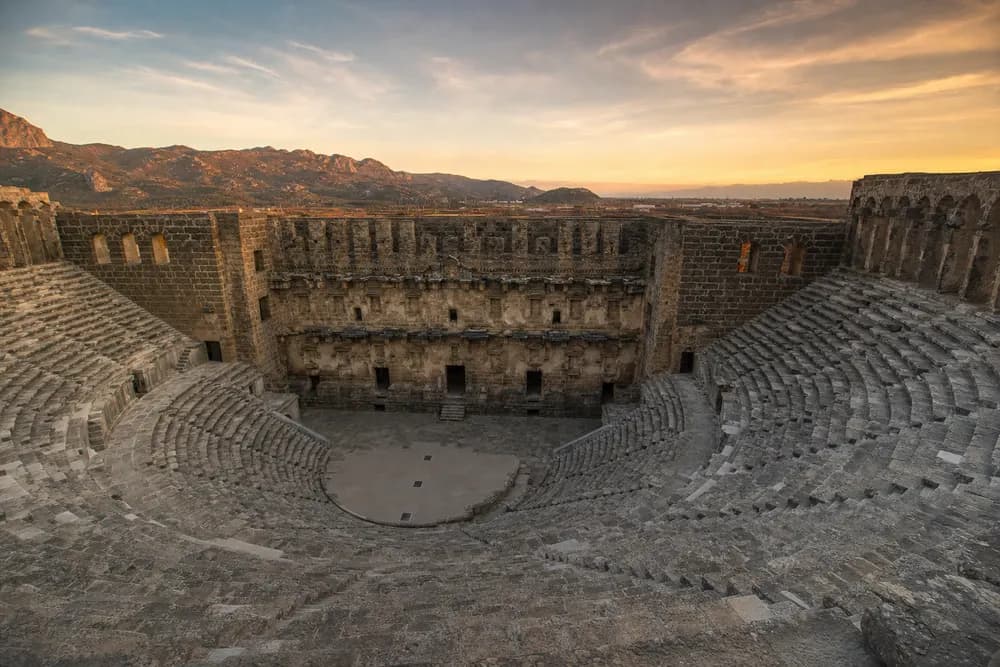
Museum & attraction tickets
Aspendos, aquarium, theme parks — mobile ticket
See prices
Tourist eSIM / data
Get online the moment you land
See prices
Travel insurance
Policy in minutes, peace of mind
See prices
Hotels & stays
Compare by area, find the best deal
See pricesPartner links; booking and payment are completed at the provider. Prices come from the provider.