
The Most Comfortable Way to Get from Antalya Airport to the City with Family
FindAntalya Guide TeamJuly 2, 20266 min read
The Calmest Start After Landing
For families arriving from Antalya Airport into the city, the most sensible route is often the one that requires the fewest transfers and keeps you from fussing with luggage. When you travel with a child, it’s not just about distance; it’s about waiting time, heat, baggage load, how comfortably the stroller can be carried, and the need to stop along the way. That’s why the “shortest route” is not always the “most comfortable route.”
If you’re arriving with a baby, your first goal should be to quickly move into a shaded, air-conditioned area. For small children, the first 20–30 minutes after landing are critical: hunger, thirst, and tiredness can all hit at once. Older children cope a little better, but they too get restless when the waiting drags on. So don’t prolong the decision after leaving the terminal; have a plan in your head in advance.
The general practical rule is this: if you have a lot of luggage, a door-to-door transport option will usually feel easier than public transport. Public transport can be more economical, but with a child, a stroller, and bags, transfers and waiting become difficult. Especially if it’s very hot or you land late at night, going straight to your destination can be safer and less exhausting for the family.
Stroller, Shade, and Toilet: The Plan for the First 30 Minutes
For families moving with a stroller, the most comfortable scenario is to change floors as little as possible and move through wide passageways. If you’ll be walking around the airport area, the stroller is usually usable; the real issue is whether it needs to be folded and whether it will fit easily into the trunk when choosing a vehicle. It’s a good idea to clarify this before you set off. If the child is asleep, a setup where you can move without fully collapsing the stroller is more comfortable.
Shade is not a small detail in Antalya, but a direct comfort issue. Once you step outside the terminal, the sun is felt very clearly; don’t linger in the open. If your child is sweating, starting to flush, or becoming more fussy, take that as a sign they’re tired. Especially for babies and small children, even a short wait in the shade makes a difference. Bring a thin hat, water, and, if needed, a small snack.
The need for a toilet and washbasin is also one of the things families look at most. Inside the terminal, this is handled more regularly; once you go outside, options may decrease. So it’s a good idea to give the child one last toilet break before setting off. If a diaper change is needed, doing it inside the airport helps you avoid stress in the middle of the road. For handwashing and wiping faces, keep wet wipes with you; a little freshening up after a long wait noticeably relaxes children.
If we think by age: for babies, silence, being held securely, and routine are important. Small children want to see the surroundings, but heat and waiting tire them out quickly. Older children, on the other hand, get stuck on the question of “when are we getting there?”; that’s why explaining the stages of the trip in a simple way calms them down.
Which Transport Suits Whom Best
In practice, families have three main approaches: going directly by vehicle, choosing a more planned public transport option, or using a transfer-based but cheaper alternative. On a trip with children, the first option is often the least wearing. Because after landing, managing the crowd, carrying the child, holding bags, finding your way, and answering the question of “what’s next?” all at once becomes difficult.
For those traveling with a baby, direct transport offers the advantage of moving without disrupting the baby’s rhythm. If you want breastfeeding, bottle feeding, sleep, and diaper changes to stay on track, the flow inside the vehicle is more controlled. For small children, the time spent sitting still matters; even over a short distance, boredom can start. For this age group, bring a small toy, a booklet, or a quiet way to keep them occupied. If you’re going to use a screen, don’t rely on unlimited use from the start; think of it as a card to pull out halfway through the journey.
Older children enjoy the view and the feeling of “entering the city” more. For them, the journey itself can be part of the experience. But their impatience is also more obvious; if traffic drags on, the questions multiply. So speak realistically to them: instead of saying, “We’ll be there in this many minutes,” it works better to explain in stages, like “First we’ll leave, then it’s a straight road, then we’ll arrive at the hotel.”
For families considering public transport, don’t overlook this point: number of bags, nap time, and the children’s mood. In crowded hours, this option is more exhausting. It may be a little calmer early in the morning or late in the evening, but in any case there will be short waits, stops, and the chance of having to stand. If you have a model that folds easily and can be carried with one hand, things get easier; otherwise, public transport may look good on paper but be tiring in practice.
The Moment a Child Gets Bored and the B Plan
The moment children get bored most often is usually not the middle of the journey, but the beginning. A child who thinks they’ll get somewhere immediately after landing becomes uneasy when faced with waiting and changing direction. And in hot weather, in a crowd, with adults distracted, patience quickly runs low. That’s why the basic needs should be taken care of in the first 15 minutes: water, toilet, changing clothes, and a snack if needed.
Have your B plan ready. If the child gets very tense, don’t force the plan with “let’s wait a bit”; take a short break. Sitting in a shaded spot, drinking water, and calming down is often enough. For babies, the B plan is to make sleep easier: soft dimness, being held, routine. For small children, the B plan can be a shift in attention: counting vehicles along the way, finding colors, simple games like “which palm tree do we see first.” For older children, showing the destination on a map and giving them a sense of control by saying, “We’ll arrive after this point,” works well.
If the weather is very hot, factor in that the child will tire more quickly. In that case, the most sensible approach is to go straight to your destination without lingering outside. Once you reach the city center, your first task should be to settle into the room, wash faces, and create a small recovery space for the child. Antalya’s day may seem long, but when you’re traveling with a child, you need to divide energy well.
Lastly, be sure to bring water, a small snack, wet wipes, a spare set of clothes, and something to protect from the sun. These may seem like small details, but they directly determine the quality of that first transfer with a child. The most comfortable route, for most families, is the one with the fewest stops, the fewest transfers, and the least disruption to the child’s rhythm. Keep the plan simple; the rest comes more easily.
For up-to-date business information and reviews about the places mentioned in this post, browse Antalya businesses on FindAntalya.
Featured with FindAntalya
Build your whole Antalya trip in one place
Flights, transfers, tours, hotels, insurance — find the best deal with FindAntalya-approved partners.
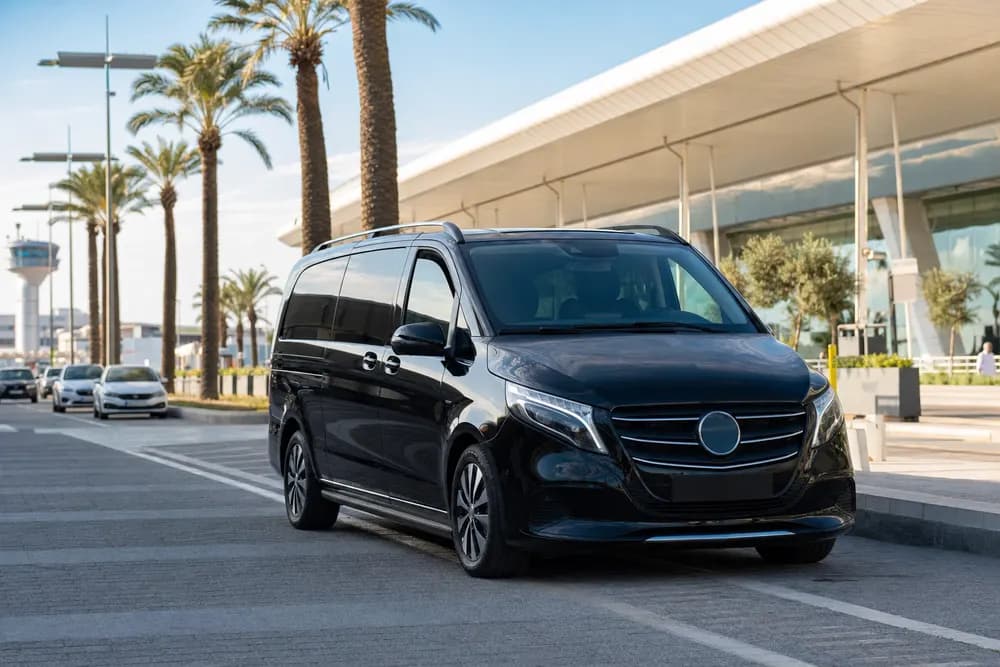
Airport transfer
Meet & greet, fixed price to your hotel
See prices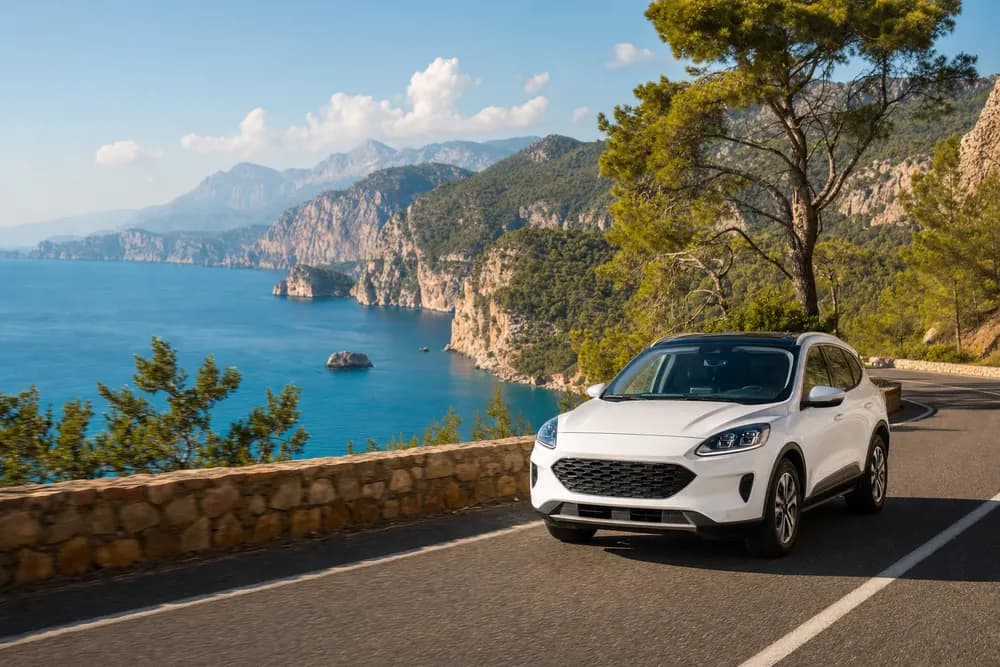
Car rental
Local suppliers, airport pickup
See prices
Tours & activities
Boat, safari, diving, day trips
See prices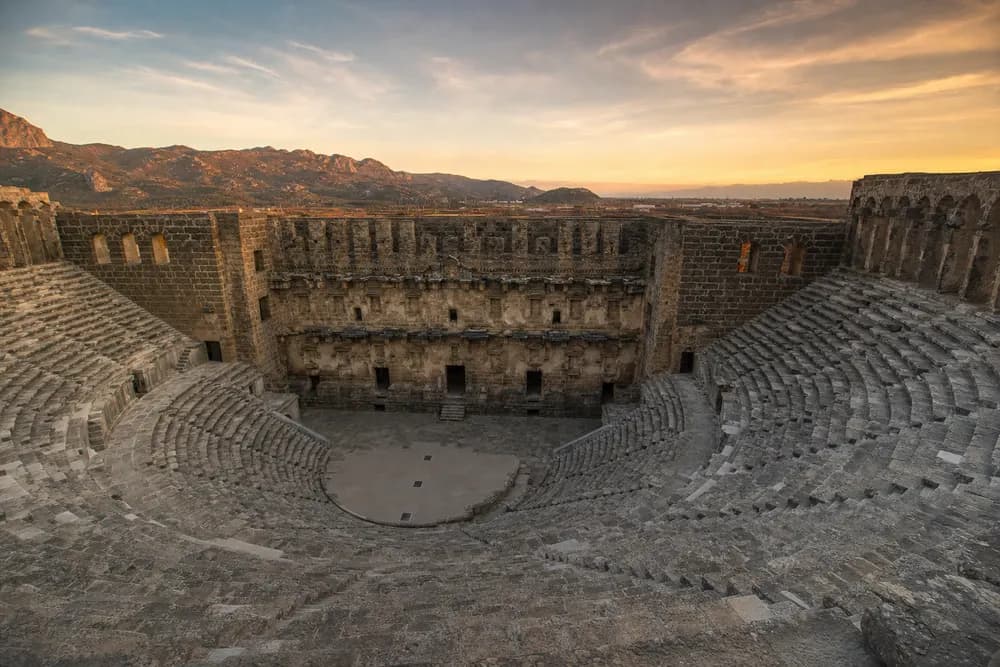
Museum & attraction tickets
Aspendos, aquarium, theme parks — mobile ticket
See prices
Tourist eSIM / data
Get online the moment you land
See prices
Travel insurance
Policy in minutes, peace of mind
See prices
Hotels & stays
Compare by area, find the best deal
See pricesPartner links; booking and payment are completed at the provider. Prices come from the provider.