
Living alone in Antalya on minimum wage: the monthly budget
FindAntalya Guide TeamJuly 14, 20266 min read

Living alone in Antalya on minimum wage is a math problem that doesn't tolerate frills. People assume everything is expensive because the city is touristy; in reality, the cost of daily life shifts dramatically depending on your neighborhood, your shopping habits, and your relationship with the sea. Below we break the budget down line by line. We won't give exact figures, because the exchange rate, the season and the district keep moving them; the point is to see where the money goes and mark the places you can trim. On any item you're unsure about, it pays to ask about the current situation on the spot before deciding; in this city a little research often turns into a gain that lands straight in your pocket.
The biggest line: rent and where to settle
On a minimum-wage budget, rent takes the largest share, so your first decision is a decision about neighborhoods. Areas close to the center and the coast are prestigious but strain the budget; the further you move toward the city's inner districts, a little beyond the tram or bus line, the more noticeably rents ease. If you'll be living alone, studios or one-bedroom flats are cheaper than large apartments in both rent and heating-cooling costs.

When hunting for a place, don't look only at the monthly figure. In complexes with high common charges (aidat), the pool, security and landscaping look nice but leave your pocket every month like a bill; on a minimum-wage budget, an apartment with no or low common charges is usually the smarter call. Furnished flats spare you the furniture expense when you first move in, but the rent is generally a bit higher; if you're staying long, renting unfurnished and gradually kitting the place out can be more economical overall. Factor in from the start that between the deposit, first month's rent and possible agent's commission, your first month will multiply.
There's also the shared-flat option. Splitting rent and bills is the fastest way to breathe on minimum wage; if living solo isn't a must — especially if you're new to the city — spending the first few months with a flatmate seriously lowers both the cost and the stress of setting everything up alone.
Before signing the contract, check a few things on site: is the flat well insulated, do the windows leak, what's the heating system, how does the hot water come. A damp, uninsulated flat that draws moisture in winter may look cheap on rent, but it takes that difference back and then some through the bills. Walking distance to public transport, and whether there's a market or bazaar nearby, are hidden costs to weigh together with the rent. A place that looks affordable on paper can actually turn out expensive because of its location, through monthly transport and time costs.
Bills, groceries and the trail money leaves in transport
Bills change shape with the season. In Antalya the real load is heating in winter and cooling in summer; a flat with natural gas (dogalgaz) usually heats more economically in winter, while homes heated by air conditioning can see the electricity bill hit the ceiling. In summer it flips, and the AC inflates the electricity bill. Choosing a flat with this in mind makes a respectable difference spread over a year. Water, internet and any building common expenses are relatively fixed; for internet, contract packages are cheaper than paying month to month.
Groceries are the line you can influence most. Antalya's neighborhood markets (semt pazari, open-air markets set up on certain days) are your biggest ally here: seasonal fruit and veg land noticeably cheaper than at the supermarket, and prices soften even further near closing time. Following the chains' weekly discount days, choosing store-brand products and buying what's in season keep the budget standing. Out-of-season goods shipped from afar are both pricey and tasteless; Antalya's advantage is that you can reach local and fresh produce for most of the year anyway.
For transport, make a city transit card your first investment. Using the tram, buses and dolmus (shared minibuses) on a single card is far cheaper than buying tickets one by one; the discounts granted on transfers also add up over time. Dolmus are still one of the most practical and affordable ways to reach the side neighborhoods the main lines don't serve. If you can, choosing a home within walking distance of work and the market drops your monthly transport line to almost zero; for short distances, a second-hand bicycle is an investment that pays for itself in a few months. Save taxis and ride-hailing for the exceptional moments you truly can't avoid, not for daily use.
There are also small leaks that slip past you: coffee and lunch out every day, subscriptions stacking up, odds and ends bought because they're "cheap anyway." On a minimum-wage budget the difference is usually closed not in the big lines but in these small, repeating expenses. A lunch you bring from home or tea carried in a flask adds up to a surprising total by month's end. Simply jotting down your spending for the first few months is the most honest way to see with your own eyes where the money leaks; when most people trim their budget, they find not the big lines but these invisible little flows.
Breathing on little money: Antalya's free side
Here's the good news: Antalya is one of the cities that demands the least spending to enjoy. The city's public beaches are open to everyone and free to enter; instead of renting a sunbed and umbrella, spreading out your towel and getting in the water is summer's cheapest and best therapy. The walking and running paths along the shore, an evening stroll in the cool, a sunset watched from the cliffs cost nothing.
The city's tea gardens (cay bahcesi, outdoor spots where you sit over a glass of tea) are the most affordable place to socialize, where the price of one glass buys you hours by the view. The city forest and picnic areas let you be alone with nature without needing an expensive weekend plan; packing your own food is both pleasant and cheap. Nearby waterfalls and nature spots can be within reach by public transport; before you go, it's worth checking whether it's in season and how to get there.
Cooking at home is both healthy and one of the biggest savings lines. A kitchen built on dried legumes, seasonal vegetables and simple recipes makes a serious difference at month's end compared with eating out; cooking once and splitting it across several meals saves both time and money. Neighborly and community solidarity is a resource not to be underestimated either; buying second-hand goods, doing a bulk shop with flatmates, haggling together at the market — all small but real contributions.
Municipalities' free events, open-air concerts, public libraries and the lower prices of the off-season are also budget-easing opportunities. In the months when the tourist crush eases, the city is calmer and many things are cheaper. So living alone in Antalya on minimum wage doesn't mean "being able to do nothing"; it means knowing where to pay and where not to. When you make smart choices on the big lines and plug the small leaks, a month spent by the sea is not a bad life at all.
For up-to-date listings and reviews of the places mentioned here, browse Antalya businesses on FindAntalya.
Featured with FindAntalya
Build your whole Antalya trip in one place
Flights, transfers, tours, hotels, insurance — find the best deal with FindAntalya-approved partners.

Airport transfer
Meet & greet, fixed price to your hotel
See prices
Car rental
Local suppliers, airport pickup
See prices
Tours & activities
Boat, safari, diving, day trips
See prices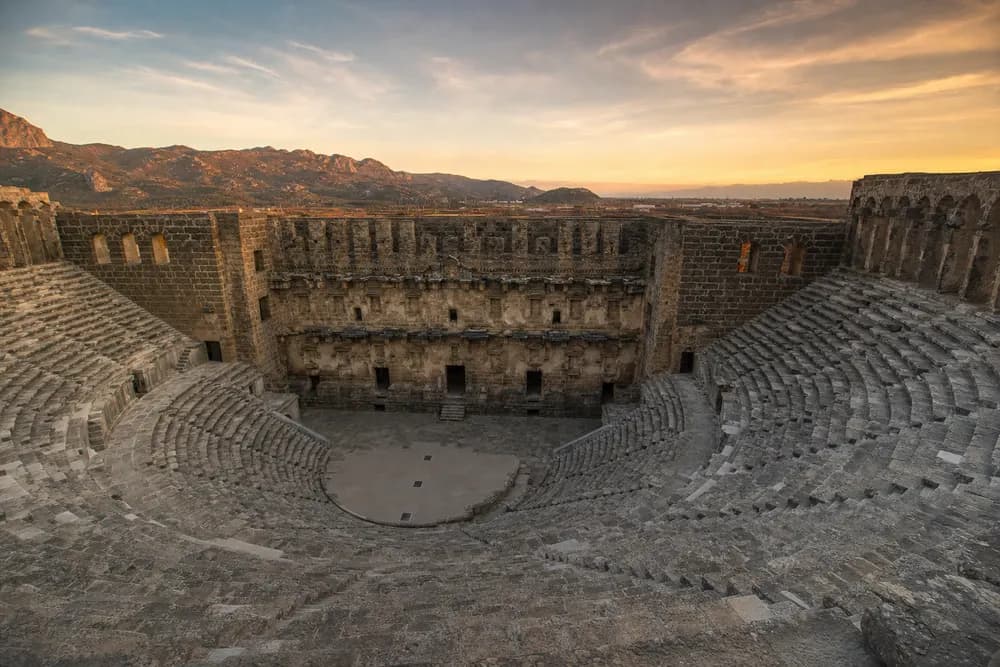
Museum & attraction tickets
Aspendos, aquarium, theme parks — mobile ticket
See prices
Tourist eSIM / data
Get online the moment you land
See prices
Travel insurance
Policy in minutes, peace of mind
See prices
Hotels & stays
Compare by area, find the best deal
See pricesPartner links; booking and payment are completed at the provider. Prices come from the provider.