
BlogFamily Trips· Kemer
Managing Mountain+Sea+Activities Together as a Family in Kemer
FindAntalya Guide TeamAugust 4, 20266 min read

In Kemer, the main secret to planning as a family is simple: manage the heat in two parts during the day and build flexibility into your route. With a stroller you can move comfortably along the seaside and around the hotel area; for the mountain/trail part, short distances and frequent breaks are a must. Put toilets and shade into the route from the start.
Stroller: where it’s easy and where it can get tough? The seaside side of Kemer is generally a more “flowing” area: the shoreline and surrounding walks are doable for most families. That said, along parts of the coast the sidewalk width may narrow and you may see short ramps. So, the most critical thing with a stroller isn’t the wheel type as much as setting a “short-distance goal.”
- Baby (0–2 years): Don’t push the stroller for long stretches in one go. Choose a nearby park/accommodation area and enjoy the sea view “piece by piece.” During cooler times (early morning and late afternoon), walks close to the sea work really well.
- Young child (3–6 years): The stroller still passes, but kids’ “stop-and-go” tempo speeds up. Set up short play stops: collecting stones by the shore, a small seaside walk, feeling the wind—things like that. A break target every 20–30 minutes helps most families feel comfortable.
- Older child (7–12 years): You’ll need the stroller less, but the desire to walk increases. If you set up two short routes during the day (for example, sea + one scenery point), you both dodge the heat and get that “sense of a destination.”
Mountain segment warning: once you go into the scenery and nature areas, the ground may get uneven and you’ll encounter more ups and downs. Instead of trying those sections with a stroller, plan “in stages” according to age: adults can stay close to the stroller and keep to flatter areas; another adult/child group can catch the view with a short walk. And if you plan to walk the route in one day, tying the evening plan to a lower pace (tiredness late in the day) makes things easier.
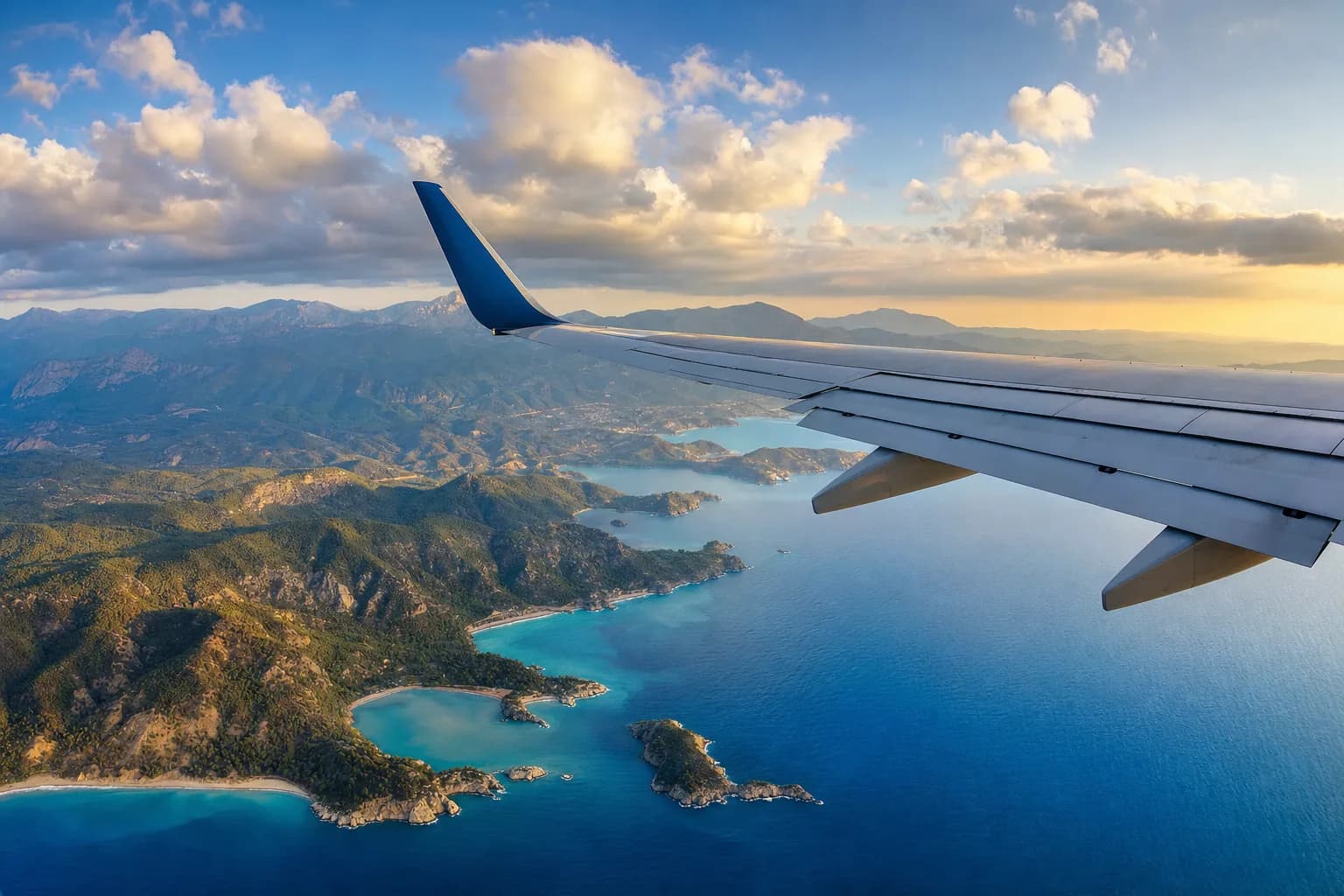
Shade and toilet: the real day-planners In Kemer, there are two things that shape a family route: shade and toilet. A mountain/sea combination is beautiful, but on days when the heat hits “suddenly,” kids’ rhythm can get disrupted. That’s why you should decide the “break time” first—not the activity time.
- Shade plan: Don’t leave yourselves out in the open at midday. Spend lunch hours near the sea but in a shaded area or with a resting setup. Even to find shade, you should look for trees/umbrellas/covered passages along the shoreline—and think ahead about more than one shade option on the same route.
- Toilet–hand wash: A sea day isn’t possible without toilets. When kids dive into play with the water, “we’ll go later” usually doesn’t work. So solve the toilet need before every major walk; then add a short check routine after every 1–2 activity blocks.
- Hand washing / wet wipes: With babies and small children, it’s not only toilet hygiene that’s part of the route—hand hygiene is too. There can be lots of dust/sand on the beach, so make sure you bring a small hand-wash alternative (wet wipes + if possible, a small bag) with you.
The ones that help the most to have with you:
- A thin layer (cooling at night + staying warm under shade),
- Hat/sunscreen (especially for ages 3–6),
- Water (a setup of small bottles for kids),
- Spare clothes (especially for baby/small child),
- A simple small bag for sand (to collect wet things).
The moment your child gets bored + “Plan B” In Kemer, what tires families out is often not the lack of activities; it’s unexpected boredom, heat, crowds, or wetness. So think of one main plan for each day and at least one Plan B.
Triggers for boredom - If an activity takes too long (especially for small children—restlessness increases the longer “waiting” stretches). - If water/play doesn’t last as long as expected but the “in-between” stretches. - Crowds slow movement all of a sudden. - The mountain-side plan goes the wrong way: wind, the sun angle, walking tempo.
Plan B examples Plan B 1: Back to the sea (short and safe play) Stay on the sea side, but shorten the time. Make a 45–60 minute “play block,” then switch immediately to shade/rest. Older kids may get excited about water sports; for small kids, simply playing in shallow areas is enough.
Plan B 2: A break instead of scenery (closed/semi-closed rest)
If the heat rises, don’t change “the activity”—change the climate. With a short break, you can reset kids’ energy. Planning this break around midday usually works best.
Plan B 3: Do the mountain plan in stages
Don’t finish the mountain segment all at once. The approach of “a short scenery walk first, then turn back” reduces stroller load and keeps kids from giving up. For older kids, this works like a “mission”: go together to a specific point and return.
Plan B with a stroller
If the stroller is possible, it should stay “on the route.” In other words, every plan should be set up so you don’t lose time on the way back. If you hit a crowd or ground issue, in the next small block switch to a more level and open walk.
A suggested “day flow” by age group - 0–2 years: A short morning walk + sea scenery + rest at midday + another short outing in the late afternoon. Instead of “activities,” you gain comfort. - 3–6 years: Morning sea + play (with short intervals), settling down in the shade at midday, and a short nature/scenery route in the late afternoon. The goal here is to finish before “full exhaustion” hits. - 7–12 years: A more active route in the morning, a strategic mid-day break and short games/activities, then the sea in the late afternoon. This age group likes the feeling of having a target: small surprises along the route (short photo stops, like “who will find this first”) make things easier.
What makes a family holiday in Kemer enjoyable isn’t cramming mountains and the sea into “the same day”—it’s getting the heat and tiredness management right within the same day. If your route includes a shade and toilet buffer, kids’ rhythm starts to match your rhythm too.
Frequently Asked Questions? ## Is it comfortable to move along the beach in Kemer with a stroller? For most families, the shoreline makes walking possible; however, some short transitions may have uneven ground or narrow spaces. The most accurate approach is to split the distance into parts and plan each exit as a short walking block. On the mountain side, you’ll need to be more cautious.
How do we not forget the toilet on a sea-day plan? The most practical method is to handle the toilet need and exit before going into the water, then add a short “check break” after each new activity block. When kids get absorbed in play, “later” doesn’t work easily. Having a small hand-hygiene set also makes the whole day easier.
If kids get bored, what works well as a Plan B in Kemer? Boredom usually comes either from an activity that’s been too long or from the heat. As a Plan B, a short return to the sea (like 45–60 minutes), a short break in the shade, or heading to flatter/more enclosed rest areas works well. If you do the mountain plan in stages, “not finishing” becomes less stressful.
For up-to-date operating information and reviews about the places mentioned in this post, check out FindAntalya’s Kemer guide.
Featured with FindAntalya
Build your whole Antalya trip in one place
Flights, transfers, tours, hotels, insurance — find the best deal with FindAntalya-approved partners.
Hotels & stays
Compare by area, find the best deal
See prices
Airport transfer
Meet & greet, fixed price to your hotel
See prices
Car rental
Local suppliers, airport pickup
See prices
Tours & activities
Boat, safari, diving, day trips
See prices
Museum & attraction tickets
Aspendos, aquarium, theme parks — mobile ticket
See prices
Tourist eSIM / data
Get online the moment you land
See prices
Travel insurance
Policy in minutes, peace of mind
See pricesPartner links; booking and payment are completed at the provider. Prices come from the provider.