
BlogField Notes· Kepez
Everyday life flowing through a tea garden, hillside and dolmuş in Kepez
FindAntalya Guide TeamJuly 2, 20266 min read
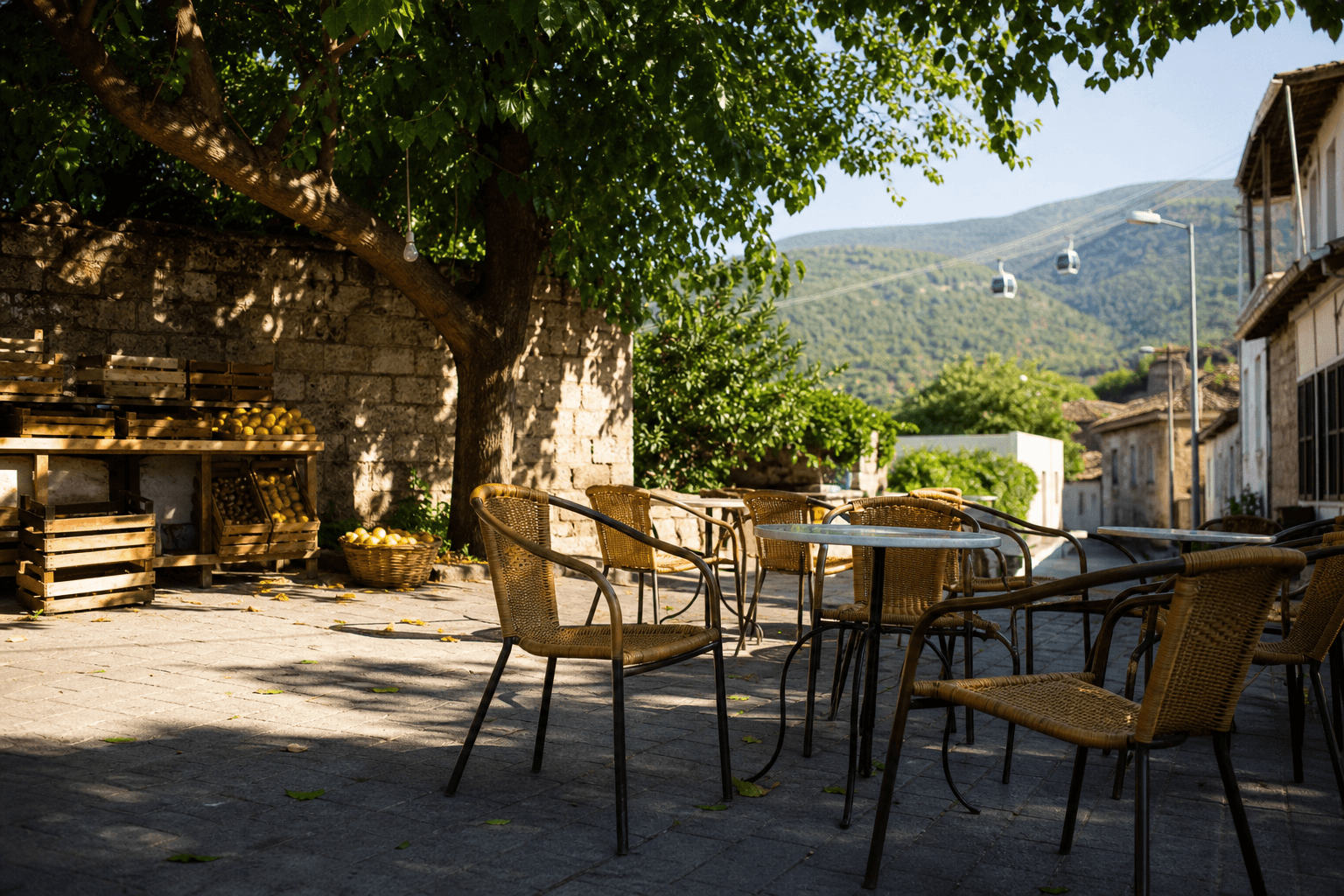
The first tea of the morning, the noon queue, the evening cool
My first time in Kepez was meant to be “I’ll have a tea and head back,” but when I left, the hour was quite late. Between the dolmuş waiting at the stop, the bakery on the corner, and the small tea garden across the way, time just leaks away; the pace here isn’t fast, it’s a bit slow, a bit neighborhood-style. You look at the tourist map and expect a different Antalya, but once you turn into the side streets, the picture changes: the signs are unflashy, the tables are plastic, the tea is hot, and there’s plenty of talk.
What I love most is this: when you sit in Kepez and look around, nobody asks you “why did you come here,” because everybody is already somewhere on the way to something. One person has just come back from the market, another has finished their morning errand and is drinking tea, another is trying to make it to the lunchtime tradesmen’s eatery queue; the city here isn’t showing off, it’s trying to live. And that’s exactly what I like too: neighborhoods that don’t make a big fuss.

Then there are the morning hours. Still, go early; by noon the air heats up, the number of people looking for shade rises, and the coolest table suddenly turns gold. Once I said, “I’ll sit at the table on that corner,” and when I pulled out the chair, its leg caught in a hole, and my tea nearly tipped over; a local uncle looked over and said, “Welcome, this place is on its own terms,” and he was right.
Walking at the foot of the cable car slope
From a distance, the area around the cable car slope looks like nothing more than a departure point. Up close, though, things change; those climbing the hill, those taking a short break, those catching their breath at the side, those taking a photo and immediately looking at their phone… all of them blend into one another in the same street. If you’re expecting luxury here, you’re wasting your energy, but if you want to watch everyday flow, this is the place.
What caught my attention most while walking on the slope side was the neighborhoods’ own rhythm. In one street kids are after a ball, in another older people have taken shelter in the shade, at the corner the tea seller is gathering plates and cups; heat rises from below, a light breeze comes from above, and you feel like you’re on a small transit line inside the city. I won’t use a clichéd scenic line; this place pulls you in not because it’s beautiful, but because it’s real.
Around the cable car area, for people like me who like arriving by dolmuş, things are easy too. The transfer trouble isn’t big, walking is pleasant as well, but don’t overtrust yourself on the slope; summer heat quickly takes the wind out of your sails. I remember one time saying, “I’ll walk two streets,” and by the halfway point I was running to get water; which was a good thing, otherwise I would have surrendered to the slope instead of the slope surrendering to me.
If there’s a market on Sunday, the neighborhood starts talking too
In Kepez, the value of some streets changes from day to day. When the market is set up, a different kind of movement begins; stalls open early, the sound of bags increases, and a short but stubborn traffic forms in front of those picking fruit and vegetables. I love the market because it shows the neighborhood in its most unfiltered state: who buys what, who checks what, who haggles over a quarter bunch of parsley — it’s all out in the open.
After the market, the most correct address is often the tradesmen’s eatery. If you see a queue in front at noon, you’re not in the wrong place, quite the opposite — you’re in the right place; because neighborhood people don’t go for expensive showy things, they go where the food fills them up and doesn’t drag the conversation on. I’m the same; when I close the bill with a plate of food and a glass of tea beside it, I feel at ease. There are some places where you hesitate even to sit down, but here there’s none of that stiffness.
Toward late afternoon, the bazaar side softens. More people sit in the tea garden, everyone claims the chair they’ve been sitting in for a while as if it were their own corner, and bits of conversation from the next table float in the air. In those moments I understand even better that Kepez is built not from big storefronts, but from the creak of a chair, the sound of the samovar, and the “one more tea” from the next table.
Here, life is read on foot and by dolmuş
If you’re going to read Kepez not with a tourist’s eye but with an everyday-life eye, walking is a must. Because the dolmuş drops you at one point, and the streets do the rest; the corner market, the shade by the wall, a small park, the motorcycle waiting on the side — all of them become part of the neighborhood’s sentence. My advice is: don’t stay fixed in one spot; go two streets ahead, then come back, because the real detail is hidden right there.
In the evening, as the air cools a little, the tea gardens fill up even more. Families come, young people come, those sitting alone and scrolling their phones come; one table passes the evening without mixing with another, but still hearing each other’s voices. If you’re tired of Antalya’s bright showiness on the coast, you’ll find a calmer tempo here. No need to bother with expensive coffee chains; a glass of tea and a shady table are often enough.
While walking the streets near the cable car slope, I sometimes think about how unnecessary planning can be. The destination is clear, but the real issue is what time you go there; go early in the morning and there’s cool air, go at noon and you’ll be searching for shade, come in the evening and the neighborhood has returned to itself. I like the evening best, because the daytime rush has lifted and what’s left is a talkative neighborhood.
Brief practical notes
- For transport, the most comfortable option is often the dolmuş; still, since routes and times can change, check before you set out.
- On Sundays, movement increases in the surrounding streets; going early in the morning makes it easier to find both parking and a table.
- At noon, the tradesmen’s eateries and nearby tea gardens get busier; if you’re not in a hurry, that’s exactly the neighborhood hour.
- Comfortable shoes are a good idea for walking around the slope; in summer the sun hits hard, and finding shade is half the job.
- In the evening cool, the tea garden and side streets are more enjoyable; if you’re crossing over to the coast side, think about your return time too.
Kepez always reminds me of this: Antalya is not only the sea, and especially not as monotonous as the expensive tables polished up in hotel brochures. Here there’s conversation revolving around a glass of tea, bags coming out of the market, a short walk on the cable car slope, and streets watched through the window on the dolmuş; there are no big promises, but everyday life itself is more than enough.
For up-to-date business info and reviews about the places mentioned in this post, take a look at FindAntalya’s Kepez guide.
Featured with FindAntalya
Build your whole Antalya trip in one place
Flights, transfers, tours, hotels, insurance — find the best deal with FindAntalya-approved partners.

Airport transfer
Meet & greet, fixed price to your hotel
See prices
Car rental
Local suppliers, airport pickup
See prices
Tours & activities
Boat, safari, diving, day trips
See prices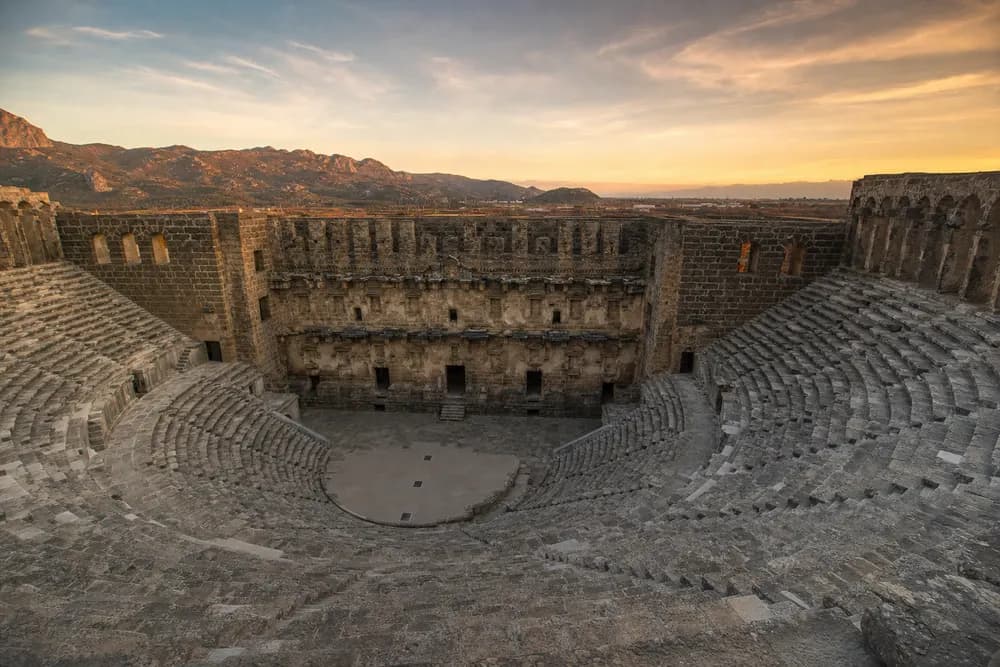
Museum & attraction tickets
Aspendos, aquarium, theme parks — mobile ticket
See prices
Tourist eSIM / data
Get online the moment you land
See prices
Travel insurance
Policy in minutes, peace of mind
See prices
Hotels & stays
Compare by area, find the best deal
See pricesPartner links; booking and payment are completed at the provider. Prices come from the provider.