
BlogField Notes· Lara
Photo Light on Lara Cliffs: Morning, Evening, and What to Shoot in Between
FindAntalya Guide TeamJuly 2, 20268 min read
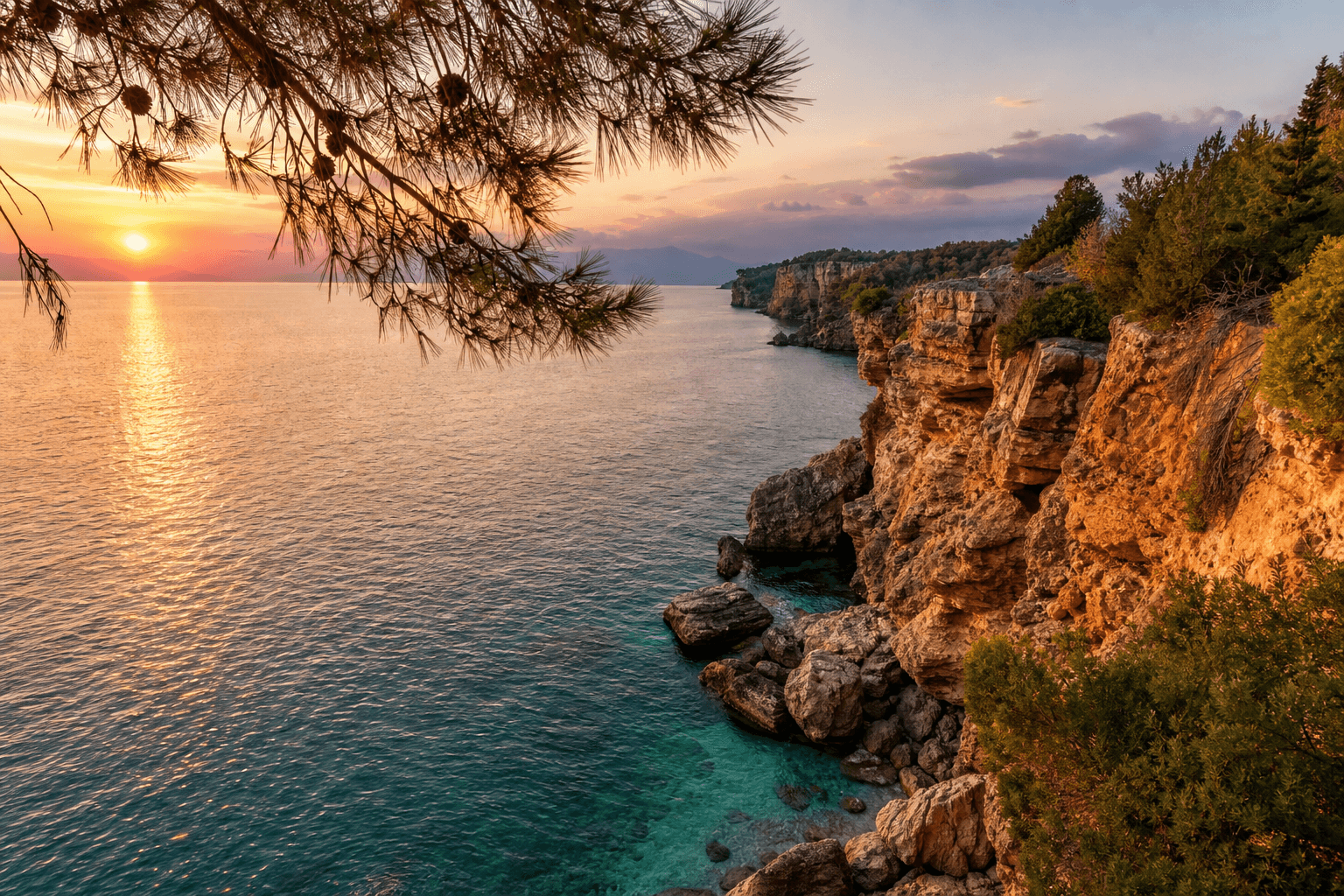
When I missed the morning, I started the day a bit off
My plan to head out early in the morning was already slipping from the first minute, with a little joke from Antalya traffic. As I was crossing from Muratpaşa toward Lara, I got on the wrong dolmuş (shared minibus); I thought I was getting closer to the coast, but it turned out I’d taken another lap and been needlessly delayed. I got off, laughed, picked up a glass of tea from the tea stand (çay ocağı, roadside tea counter) across the street, and pulled myself together.
By around seven, when I reached the top of the cliffs, the light was still soft. Back where I’m from, the best morning color comes before the sun gets harsh; before the sea line turns blue, the pale yellow tones hitting the rocks look cleaner. If you’re shooting portraits, turn your back to the sun and face the sea so faces don’t stay in shadow. At this hour the crowds are thin; you walk, you stop, you walk again. No one rushes you.
I chose the upper walking path along the cliffs as my first stop. After a calm ten-minute walk, I reached the open sections overlooking the sea from above. Wide angle works well here; you can get both the horizon and the curve of the cliff into one frame. And there’s the light filtering through the pines too—don’t miss that. Early in the morning these shadows are a little hard, but once you find the balance, the photo comes out clean.
When the light got harsh toward noon, I went looking for shade too
Around ten o’clock, things changed. As the sun climbed, the open areas on top of the cliffs started to glare, the sea surface hardened, and even on my phone screen I began squinting. This isn’t the time to insist on “I’ll shoot this spot too”; it’s more a time for gathering shadows, texture, and detail. Look at the flowers, the benches along the road, the fine lines falling over the rocks.
Meanwhile I took a short break and turned toward the tea garden (çay bahçesi, casual tea garden) near the cliff line. It was easy to find a shaded table; I sat there, drank some water, and looked through the frames I’d shot in the morning. I won’t get too technical, but photos that look washed out on the screen usually come from this hour. Face light gets harsh, shadows shrink, skin tones get stubborn. Still, don’t force it in open sun.
Near lunchtime, with a short walk, I moved to a quieter edge of the cliffs. In about twenty minutes, in the section that bends a little inland from the main road, there are fewer people and more sea sound. Here the main subject for photos isn’t the light, it’s the line. The rhythm of the railings, the curve of the walking path, small movements that look like a distant sea bus. When there’s too much in one frame, everything shouts; leave a little space and the photo starts talking.
By the way, I realized I didn’t have a power bank with me. Classic. As my battery started running down, I ducked into a local esnaf lokantası (simple tradesmen’s eatery) and had something quick for lunch; eating light was good, because I’d be walking again in the afternoon. On the Lara side, the day is long and the shade is short. So keep water, a spare battery, or at least a small cable for your phone in your backpack. Since I forgot, I ended up ordering the second tea myself.
Toward evening, the cliff edge came alive again
Around four o’clock the light began to soften, but this time it didn’t come in like the morning—clean, more warm, and horizontal. That’s when you realize the real good time is approaching. Where I’m from, they call this kind of late-afternoon light the “orange hour”; it doesn’t cut like a blade, it doesn’t tire the face, but it also doesn’t flatten the view. The edge of the rocks becomes clear, the sea gets a little darker, and the shadows stretch.
I went back up to the coastal band and, this time, instead of the open areas, I chose spots on the cliff edge with a bit of elevation. With a slow fifteen-minute walk, I tried a few different angles. Sea on one side, people passing along the walking path on the other, and the silhouette of the city behind. If you like movement in your photos, this hour is for you; someone walking, someone on a bike, even a couple standing with a bag slung over a shoulder can pull the frame together.
A little mishap came up again at one point. The wind suddenly picked up, and it was clear how light the tripod was; so I stabilized it with my bag’s weight and kept shooting that way. Not a huge problem, but if you’re setting up on the beach, pay a little attention. Wind doesn’t just scatter hair, it scatters the frame too. So when the evening wind gets strong, working from a lower angle helps.
I took a short break at the tea garden area near the shore. One glass of tea, a while sitting, watching people hurry by. One of my favorite things up on the cliffs is this: everyone walking the same road has their mind somewhere else. Some are exercising, some are getting some fresh air, some are trying to chase light like me. When a little real life slips into the photos, the frames feel more grounded too.
After sunset, the light doesn’t disappear, it just changes
As the sun got close to the horizon, the tones on the coast suddenly became richer. The sea got darker, the sky more layered. At this hour I always go after the same thing: not the sun itself, but the few minutes just before it. In that short window the edge of the cliff glows like gold, then suddenly settles down. You have to shoot without talking too much.
The best results in this section came from spots with an open view of the horizon. I made short five-to-ten-minute shifts along the coast; I tried the same frame a little from the right, a little higher, and then in a closer shot. There’s no single trick for sunset photos. In one frame the sea will be wide, in another only the warm tones on the rocks will do the job. Don’t linger too long in one spot either—the light is slipping away.
Once the sun dropped further, the city lights started to come in. On the Lara side, evening gives a more even and calmer rhythm than daytime. People go out for a walk, those exercising pick up speed, the benches fill. I tried a few long-exposure shots on my phone in the meantime; no need to be too ambitious, but catching the moving water and light trails is still fun. If you don’t have a tripod, short supports against the railing can work too.
And one more thing: play a little with the white balance in evening shots. If you leave it too warm, everything drifts into orange; if you cool it too much, Antalya’s evening starts to look ill. I usually keep it close to a natural tone. The transition of the cliffs into night is already different enough; there’s no need to look for extra effects.
When I stayed into the night, Lara quieted down, and the photos did too
After nine, the crowd started thinning out. A few people walking by the shore, the sound of cars from afar, and the smell of salt carried by the wind remained. Lara cliffs aren’t a bright playground for night photography, but if you build a proper frame, the line between the city lights and the sea works well. I stayed a little longer, then packed up the bag.
If you’re staying into the night, don’t lock yourself to just one spot. Try a bit of open area, a bit by the railing, and a bit of a darker corner too. Where the lamps hit the sea, reflections appear, and that gives the frame depth. But not every lit spot is good; sometimes too many lamps tire out the photo. The simplest frame is often the cleanest one.
On the way back I got on a dolmuş (shared minibus) again. This time I got on the right line, but since I was using a dolmuş and not a bus, I chose to get off two stops later and walk; Lara at night isn’t that long, and even a 15-minute walk pulls the day back together. Of course I was tired. A bag on my shoulder, half a battery in my pocket, a full day on my feet—but once I got the evening’s answer to the soft light I’d missed in the morning, I felt at ease.
That’s how the day flows where I’m from. If you head out before morning turns harsh, the cliff line stays clean; if you duck into shade at noon, you gather detail; and by late afternoon, the real work begins. In Lara, one day, one coastal path, and a few good stops are enough. Still, don’t underestimate the early morning; the best frame often comes before the day even starts.
For current business info and reviews about the places mentioned in this post, check out FindAntalya’s Lara guide.
Featured with FindAntalya
Build your whole Antalya trip in one place
Flights, transfers, tours, hotels, insurance — find the best deal with FindAntalya-approved partners.

Airport transfer
Meet & greet, fixed price to your hotel
See prices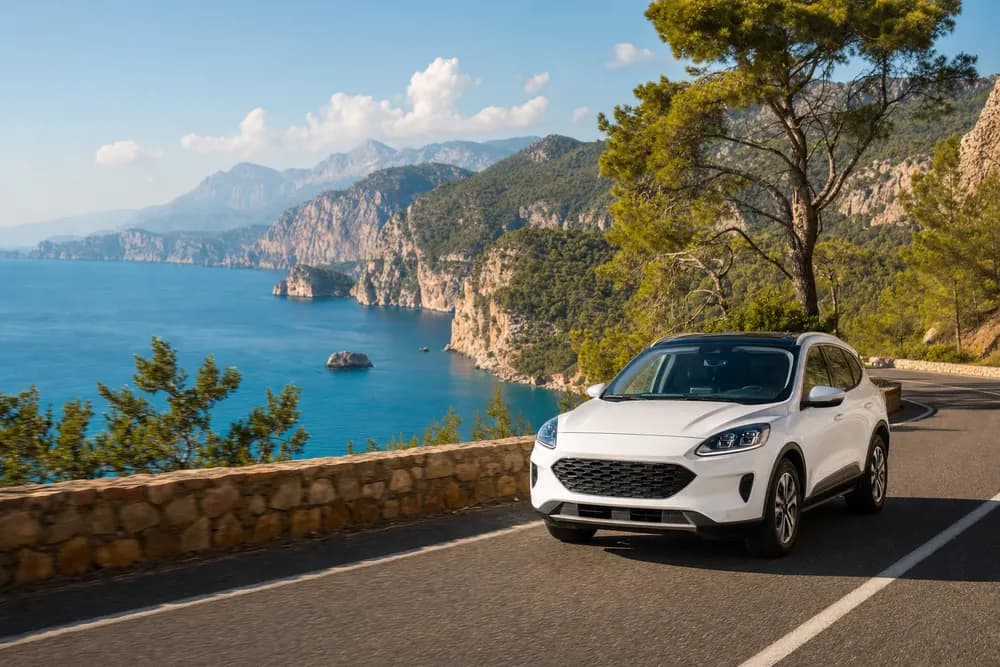
Car rental
Local suppliers, airport pickup
See prices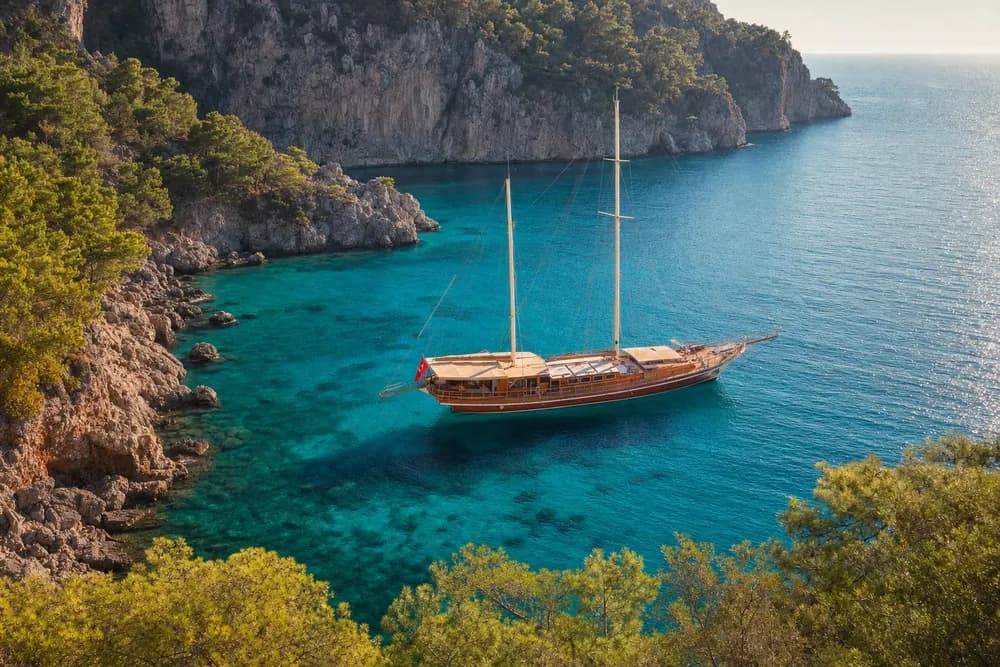
Tours & activities
Boat, safari, diving, day trips
See prices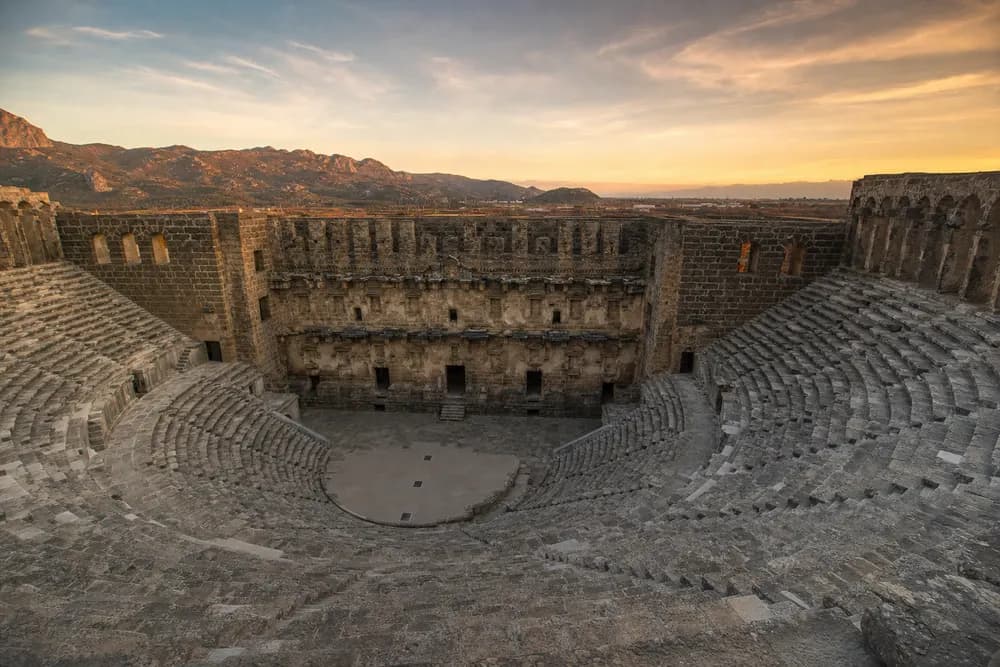
Museum & attraction tickets
Aspendos, aquarium, theme parks — mobile ticket
See prices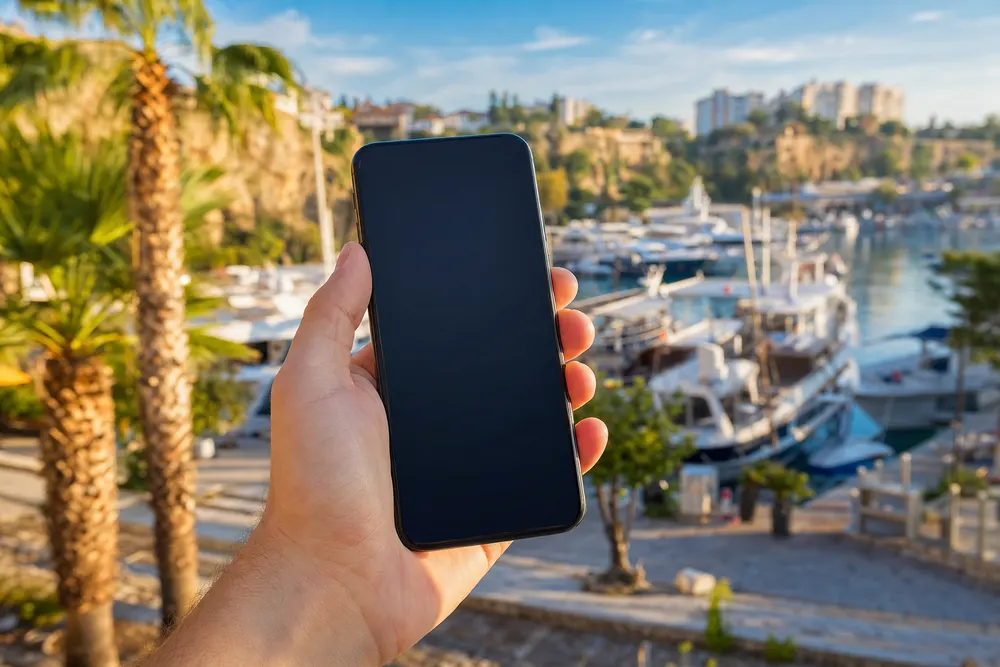
Tourist eSIM / data
Get online the moment you land
See prices
Travel insurance
Policy in minutes, peace of mind
See prices
Hotels & stays
Compare by area, find the best deal
See pricesPartner links; booking and payment are completed at the provider. Prices come from the provider.