
Antalya at the End of March: A Family Walk with Orange Blossom
FindAntalya Guide TeamJuly 3, 20267 min read
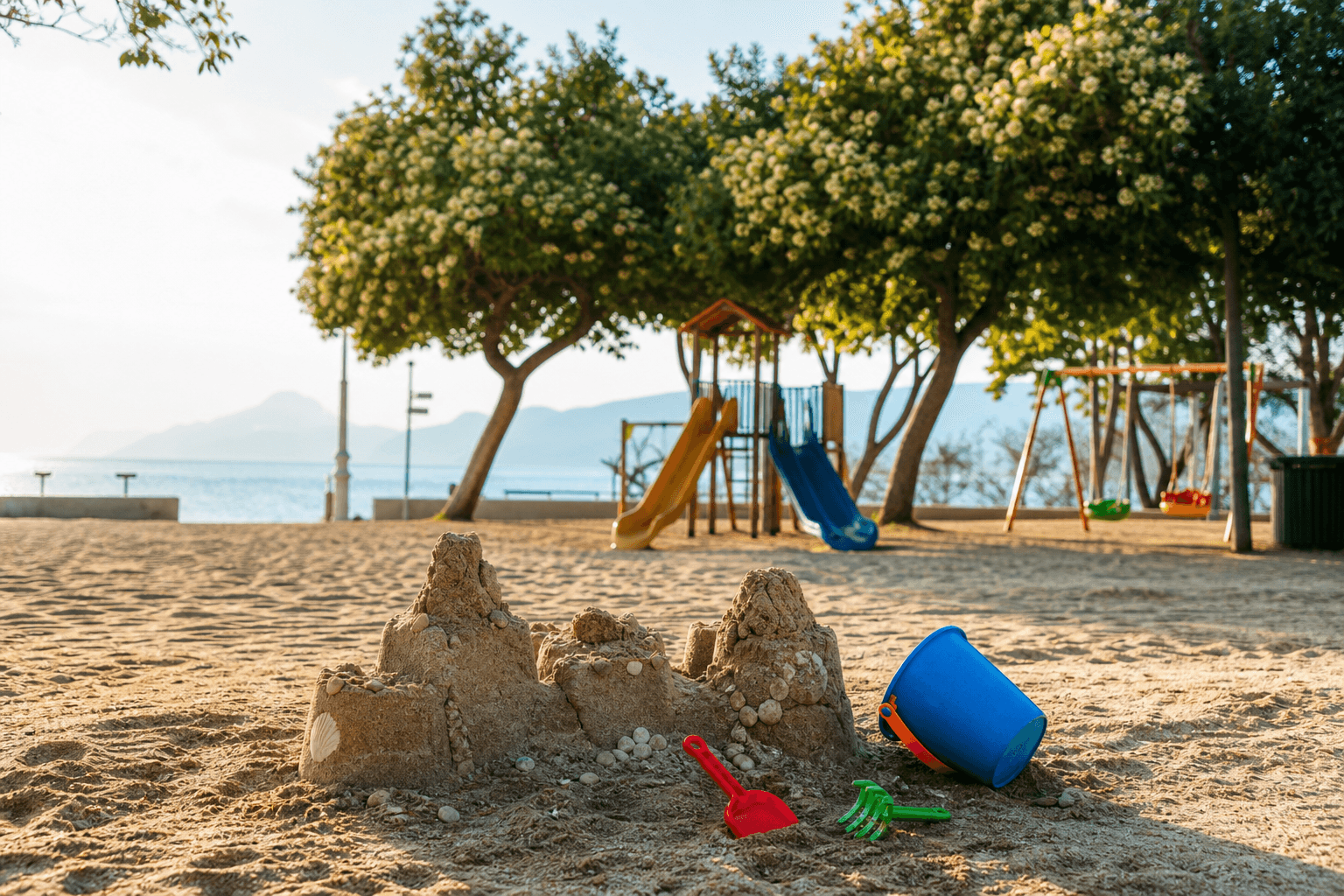
Why does the city suddenly smell different at the end of March?
In Antalya, the last days of March, especially in the early morning and toward evening, are a short but noticeable period that changes the smell of the city. While walking on streets lined with orange trees, it’s easy to notice this season together with a child; but the experience is never as smooth as the postcards make it seem. Seen as a family, the real issue is managing the walk as much as catching the scent.
If you’re out with a baby, the most comfortable time is the hours before the day heats up. The weather can change quickly by noon; when the sun starts hitting your face, the need to look for shade begins right away. For small children, this period is less the age of “noticing the scent” and more the age of “running and stopping to look.” So it’s better to keep the route short. Stopping under an orange tree to smell it may hold their attention for a few minutes, then the real interest goes to the paving stones, birds, bicycles, and people passing by.

Older children, meanwhile, perceive the difference in the surroundings more consciously. They may ask why the flower smells, why it seems stronger in some streets. So this walk is a nice chance to explain the changing season to them. Still, rather than planning a long outing, it’s healthier to think of a short route and then a rest stop.
Does the stroller fit through, is the shade enough?
The general answer is this: in some flat coastal and wide-sidewalk areas of Antalya, walking with a stroller is possible, but the comfort is not the same everywhere. Especially in districts with older street layouts, sidewalks can narrow, roots can break up the ground, or parked cars can squeeze the passage. So don’t assume it’s easy everywhere; the route should be checked briefly before you go.
The most comfortable surface for a stroller is a wide, relatively flat walking axis. Lightweight models with small wheels can tire you out on stony or uneven ground. Definitely take water with you, and also think of a thin cover to protect from the sun; but don’t cover it completely and cut off the airflow. Even at the end of March, the sun can be deceptively strong.
Shade, too, varies during the day. In the morning, tree shade and the sides of buildings help, but as you approach noon the same route can feel more exposed. Orange trees alone do not provide constant shade; the structure of the branches does not offer the same protection everywhere. So instead of relying on one spot thinking “there will be shade,” a short walk + frequent breaks plan is the safer choice.
If you’re out with a baby, the most comfortable setup is this: a short walk, then a shaded sitting area, then, if needed, continue in the stroller or on your back. With a small child, however, the stroller can eventually feel like a burden; they often want to get out and walk. In that case, keeping the route short from the start preserves everyone’s patience.
Toilet, sink, break: think ahead
When you go out with family, the most critical question is often not the view, but the toilet. If you’re doing a street walk during orange blossom season, it’s smart to choose a starting point near an area with sink and toilet access. The same convenience doesn’t exist in every district; in some places cafés and public spaces are close by, while in others the options get sparse. So instead of the “we’ll find one somewhere” approach, pick a nearby rest point before you leave.
If there’s a chance of needing a diaper change, pack the bag completely: wet wipes, spare diaper, a small bag, a thin changing mat. In small children, the need for the toilet usually comes at the most enjoyable moment of the walk, right when you least want to stop. So taking care of toilet needs in the first half hour helps you relax later.
The sink issue matters too. While feeling the scent of orange blossom, children may want to touch the tree, pick flowers, or collect leaves that have fallen to the ground. Then their hands go to their mouths. At this age, hygiene is something you need to manage a bit yourself. Carrying hand-cleaning wipes is very useful when you’re far from a water point.
For breaks, think of a bench, shaded wall edges, or a quiet corner where you can pause briefly. Rather than a long coffee break, a ten-minute stop-and-go rhythm is more comfortable for the family. Especially if you’re out with a baby, keeping the flow short rather than lingering in one place works better.
Which age likes what, and when do they get bored?
For babies, the best part of this experience is the scent; the hardest parts are heat and long waits. A baby may not “understand” orange blossom, but a fresh walk, a light breeze, and rhythmic movement can calm them. However, too much sun, crowds, and car noise can disturb that peace. Expectations should stay low at this age; a short round, a shaded stop, then heading back is the best way.
For small children, their interest depends on a few things: flowers on the ground, the urge to touch the trees, birds, bicycles passing in the street. For them, this walk can be as much a playground experience as a nature outing. But their patience is short. After about 20–30 minutes, the “I’m bored” signal starts. At that point, instead of forcing them to keep walking, a short water break or another small goal helps. For example, “let’s walk as far as that corner.”
Older children can observe for longer. They may notice why the scent is not the same in every street, compare blossoming and non-blossoming trees. But they, too, have a limit. Especially if the same view goes on too long, phone requests, snack demands, or the question “when will it end” begin. At this age, the route shouldn’t be left monotonous; the walk needs to stay alive with short explanations.
The boredom moment usually comes when the sun has risen, water is running low, there’s no place to sit, and the route has stretched out. So the problem isn’t the child, it’s the pace of the walk. If the pace is right, the child will join in more easily.
B plan: the scent is lovely, but there’s no need to stretch the day
The best B plan for orange blossom time is a nearby indoor or semi-open resting stop. When you’re out with children, the idea of “we’ll keep going a bit more” is often not productive; because the heat can rise suddenly, the baby can get cranky, or the small child gets tired. So making the first plan short and keeping the second one ready makes things easier.
If the walk turns out more crowded than you expected, change the route. Moving out of narrower, denser streets into an area with wider sidewalks can sometimes save the whole day. If there’s no wind and the air gets heavy, instead of lingering in the open, move to a shaded sitting area. If the child is bored, don’t try to stretch the orange blossom theme; turn the rest of the day into another simple pleasure.
The most realistic family scenario is this: a short walk, a few lovely scent moments, one or two photos, then water and shade. This period is very short; so instead of making a long program, it’s better to catch it and let it go. Smelling orange blossom in Antalya at the end of March with a child is less a city tour than a matter of catching the season. With the right time, a short route, enough water, and a clear return plan, neither you nor the children will get worn out unnecessarily.
For up-to-date business info and reviews about the places mentioned in this post, check out businesses in Antalya on FindAntalya.
Featured with FindAntalya
Build your whole Antalya trip in one place
Flights, transfers, tours, hotels, insurance — find the best deal with FindAntalya-approved partners.

Airport transfer
Meet & greet, fixed price to your hotel
See prices
Car rental
Local suppliers, airport pickup
See prices
Tours & activities
Boat, safari, diving, day trips
See prices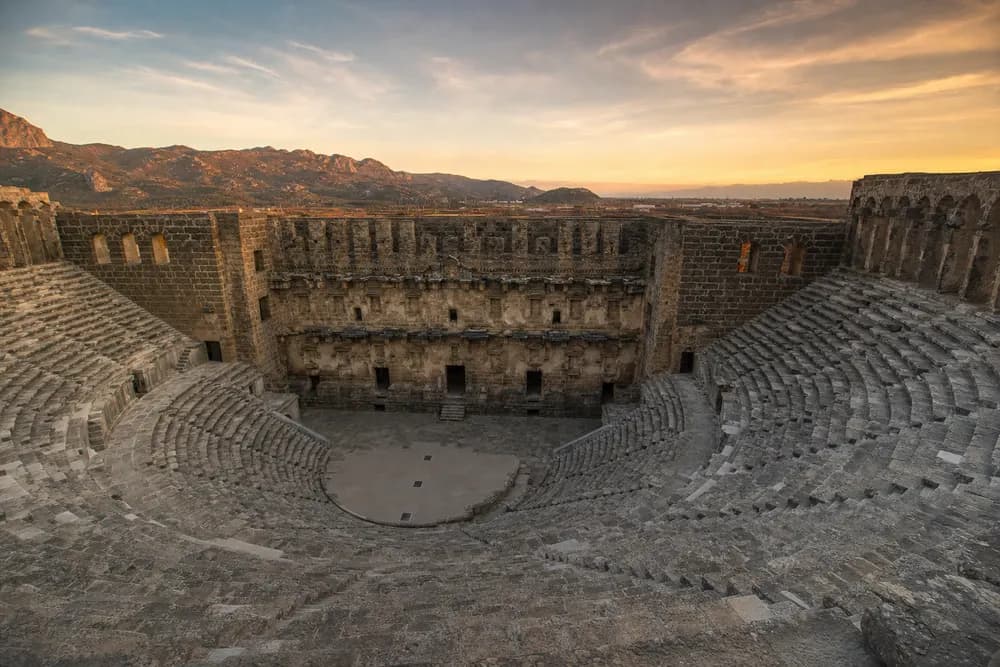
Museum & attraction tickets
Aspendos, aquarium, theme parks — mobile ticket
See prices
Tourist eSIM / data
Get online the moment you land
See prices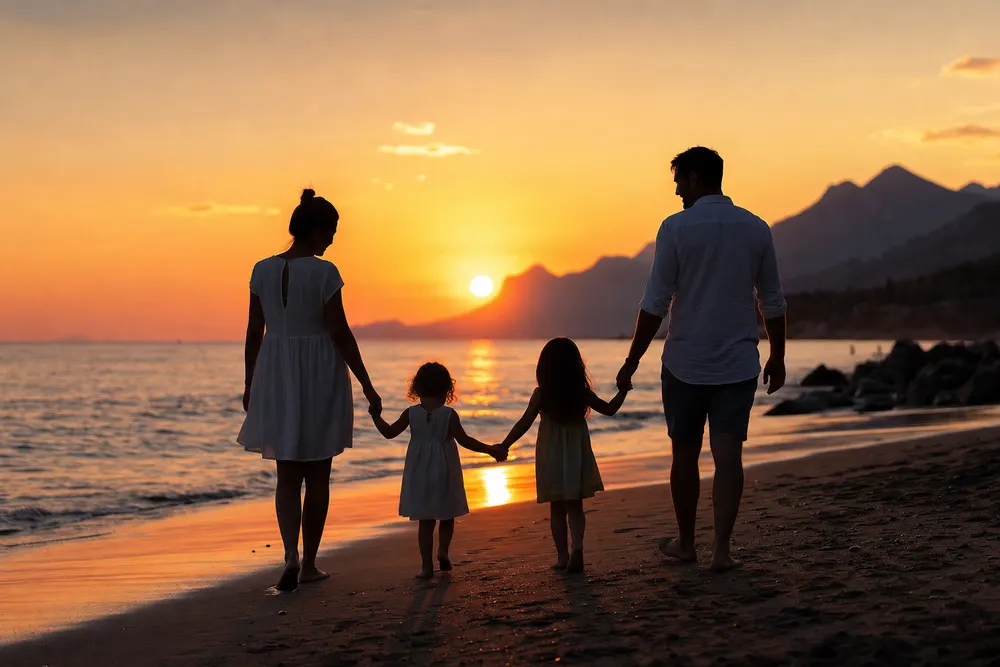
Travel insurance
Policy in minutes, peace of mind
See prices
Hotels & stays
Compare by area, find the best deal
See pricesPartner links; booking and payment are completed at the provider. Prices come from the provider.