
Perge Ancient City: The Grand Capital of Pamphylia
FindAntalya Guide TeamJuly 25, 20264 min read
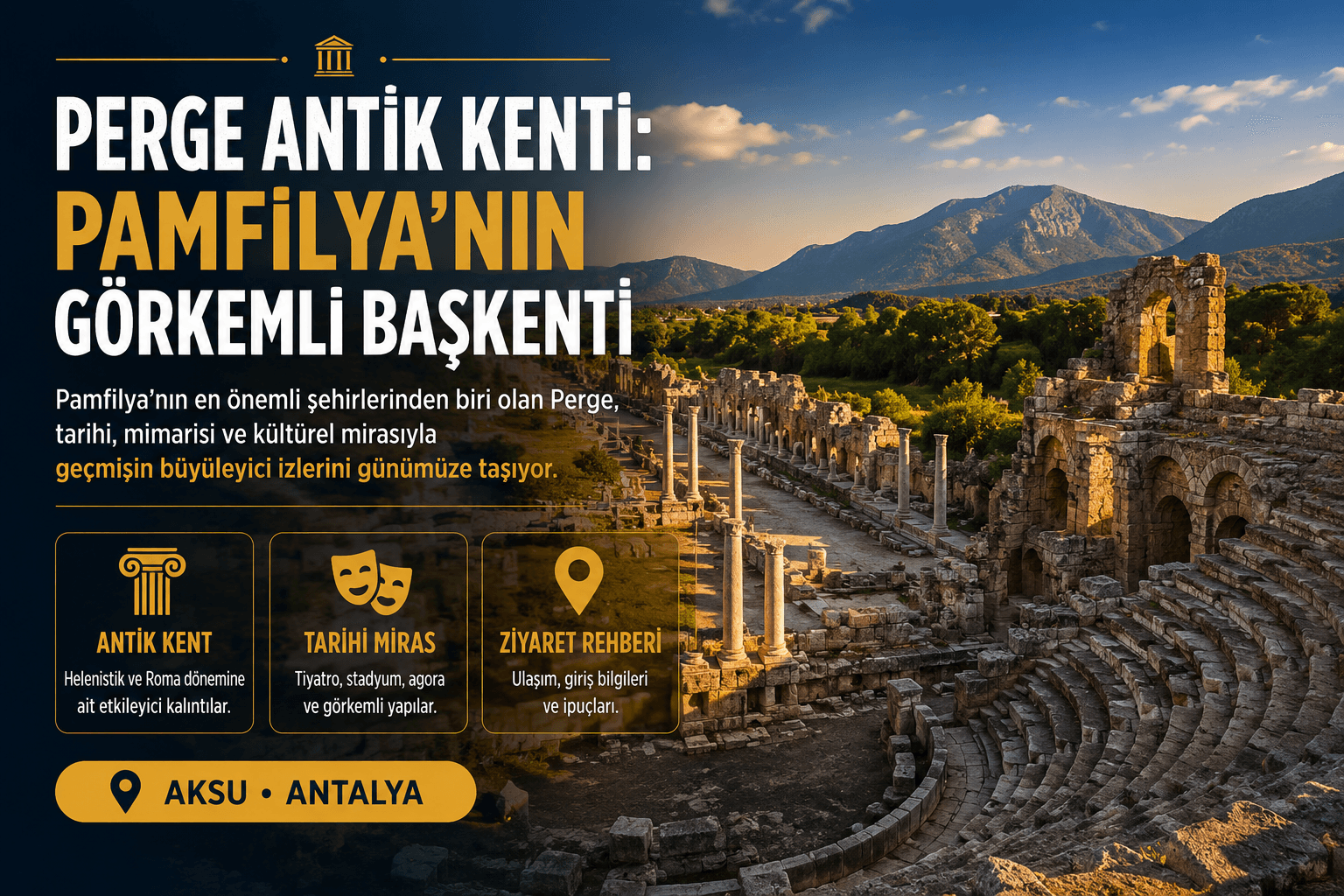
Perge Ancient City, located in Antalya's Aksu district, is one of the most important and best-preserved ancient cities of the Pamphylia region. It is famous for its monumental Hellenistic gate, its long colonnaded street, its huge stadium, its theater, and its baths. It also holds a special place in the history of Christianity, as it is one of the cities visited by St. Paul. For anyone who wants to feel the atmosphere of the ancient world in all its grandeur, it is an open-air museum that must be seen.
History and What to See
Perge was founded on the fertile Pamphylian plain and shone for centuries as a center of trade and culture. Its layers, stretching from the Hellenistic period to the Roman age, appear before you step by step as you explore the city.

The city's most iconic structure is the Hellenistic gate, which greets you with its round towers. Once you step inside, the long and magnificent colonnaded street opens up before you; this main artery, once lined with shops, invites you on an ancient walk as you advance into the heart of the city. The water channel running down the middle of the street shows just how carefully Perge was planned.
Another structure you should not miss is the city's enormous stadium; hosting thousands of spectators, it is considered one of the best-preserved stadiums in Anatolia. The nearby theater reflects the magnificent spectacle culture of the era. Walking among the remains of the Roman baths, the agora, and the monumental fountain (nymphaeum), you can easily imagine how lively and wealthy the city once was.
Many impressive statues and artifacts unearthed at Perge are displayed at the Antalya Museum; adding the museum to your program after touring the city is a fine way to complete the picture.
How to Get There
Because Perge is relatively close to Antalya's city center, getting there is easy. Regional buses and shared minibuses (dolmuş) heading toward Aksu reach connection points near the ancient city; from there you can reach the site with a short walk. Those coming by public transport should not forget to bring water and a hat for that final stretch of walking on hot days.
The most comfortable option is a private car or a tour. Those arriving by car can reach the area at the site entrance. Many day tours departing from Antalya often combine Perge with nearby ancient cities such as Aspendos on a single route; this is a practical way to see more than one wonder in a single day.
When to Go and Practical Tips
Perge is largely an open area with little shade, so avoid the hottest hours of the day for your visit. Spring and autumn are ideal for both the mild weather and the calmer setting. If you come in summer, choose the early morning hours; you will both benefit from the coolness and photograph the colonnaded street comfortably before the crowds.
Bring comfortable, non-slip shoes, water, sunglasses, and sunscreen. Because the city is vast, touring it requires slow, steady walking; do not rush. Entry is paid, and since arrangements can change from time to time, it is wise to check current visiting hours and conditions before you go.
Where is Perge Ancient City and what kind of place is it?
Perge is an ancient city located in Antalya's Aksu district and was one of the most important centers of the Pamphylia region. It is known for its monumental Hellenistic gate, colonnaded street, stadium, theater, and baths. Being close to the city center makes it one of the most accessible stops for ancient-city trips from Antalya.
How long does it take to tour Perge?
Because Perge is a fairly large site, a relaxed tour usually takes a few hours. If you want to wander the colonnaded street, stadium, theater, and baths without rushing, it is more enjoyable to set aside half a day for it. On hot days, touring slowly on foot is both more comfortable and lets you grasp the ruins better.
What is Perge's connection with St. Paul?
Perge is known as one of the cities visited by St. Paul in the history of early Christianity. In this respect, the city carries meaning not only in terms of ancient architecture but also in terms of the history of faith. Today, visitors experience both the magnificent Roman and Hellenistic ruins and this historical significance of the city together.
After walking among the columns of Perge, if you want to plan the other ancient cities and travel routes nearby, you can find more guides, maps, and places to explore on FindAntalya.
Featured with FindAntalya
Build your whole Antalya trip in one place
Flights, transfers, tours, hotels, insurance — find the best deal with FindAntalya-approved partners.

Airport transfer
Meet & greet, fixed price to your hotel
See prices
Car rental
Local suppliers, airport pickup
See prices
Tours & activities
Boat, safari, diving, day trips
See prices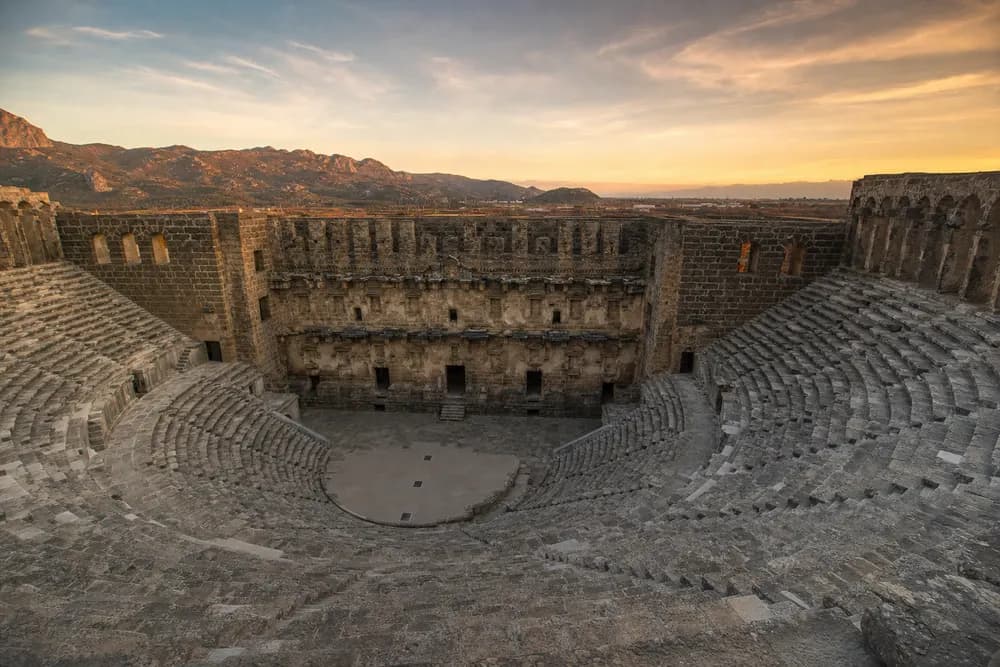
Museum & attraction tickets
Aspendos, aquarium, theme parks — mobile ticket
See prices
Tourist eSIM / data
Get online the moment you land
See prices
Travel insurance
Policy in minutes, peace of mind
See prices
Hotels & stays
Compare by area, find the best deal
See pricesPartner links; booking and payment are completed at the provider. Prices come from the provider.