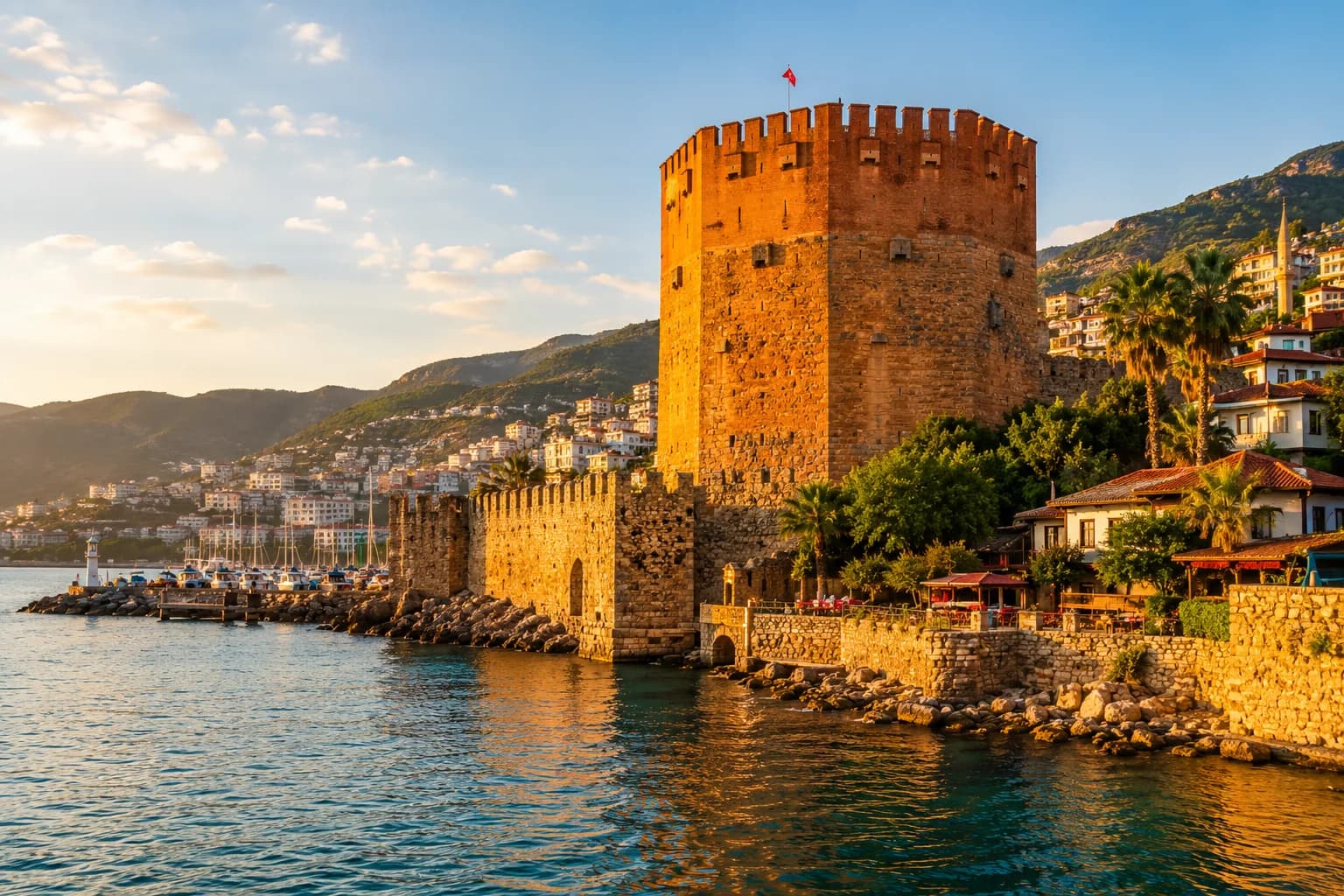
In Alanya, Kızıl Kule is one of the sights travellers list when exploring the town rather than just its beaches. Alanya sits well east of central Antalya along the coast, so this is typically visited by people already based in or around the town, folded into a walk through the harbour area rather than a special separate trip out of the resort.
Köprülü Kanyon falls under Manavgat district, further from central Antalya than the coastal resort towns. It's the kind of place-to-visit entry that pulls travellers inland for the day, away from the beach towns of Side or Belek that sit closer to the shore within the same wider Manavgat area, so it usually means a longer ride than a stroll from the hotel.
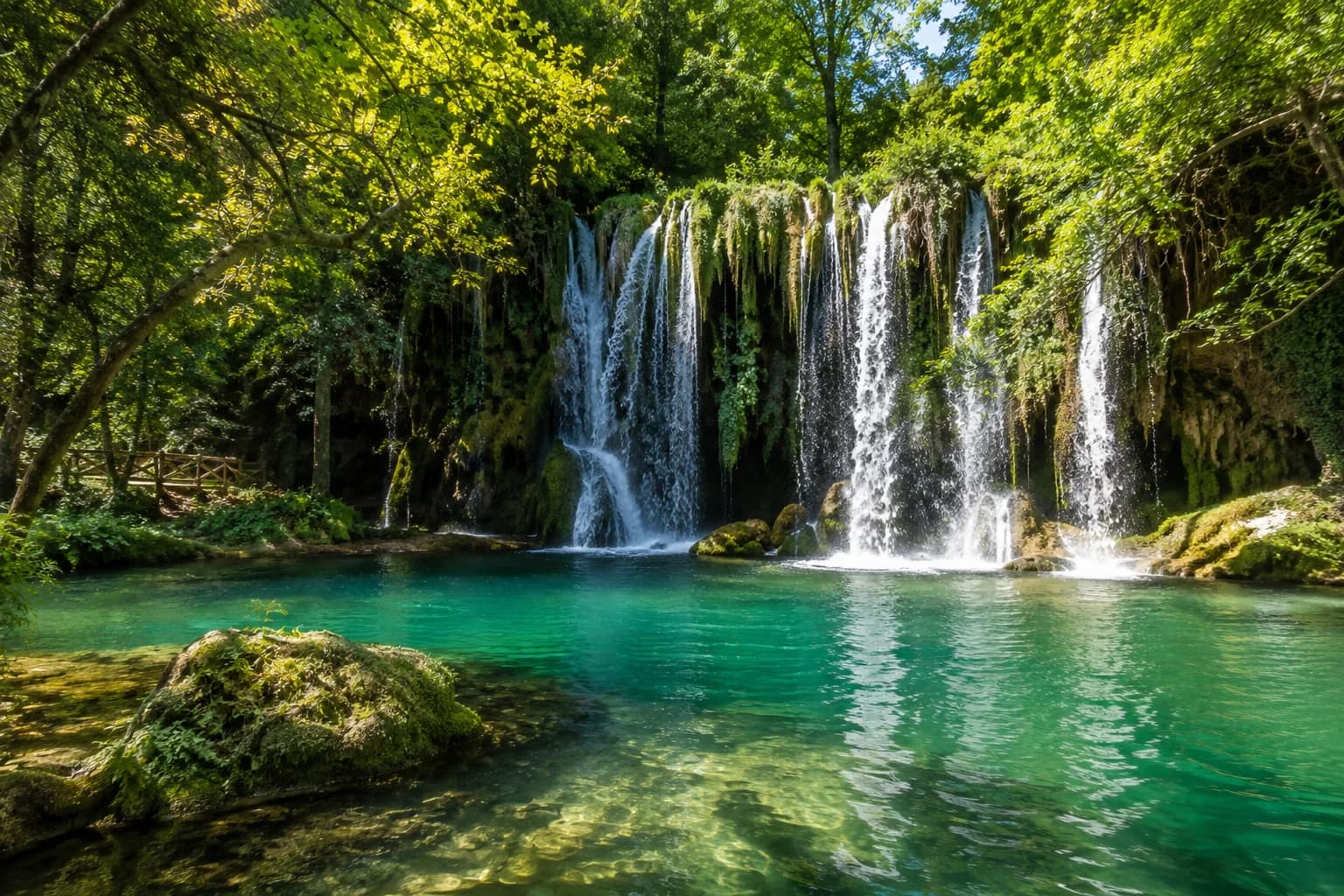
Kurşunlu Şelalesi is set within a nature park in Aksu, on the eastern edge of Antalya rather than in the dense hotel zones closer to the center, so it feels noticeably quieter and greener than city attractions. Walking trails wind past small ponds and a wide variety of plant life alongside the waterfall itself. It suits visitors wanting a slower, outdoor stop — more of a nature walk than a quick photo stop.
Letoon lies in the Kaş area, well outside central Antalya, and is worth knowing about specifically because of its UNESCO status rather than its size. Three temples once stood here, dedicated to Leto, Apollo and Artemis, marking it as a sacred site of ancient Lycia. It's a quieter, more specialist stop than the well-known city-center sights, better suited to travellers already based around Kaş than to a day trip from Antalya's center.
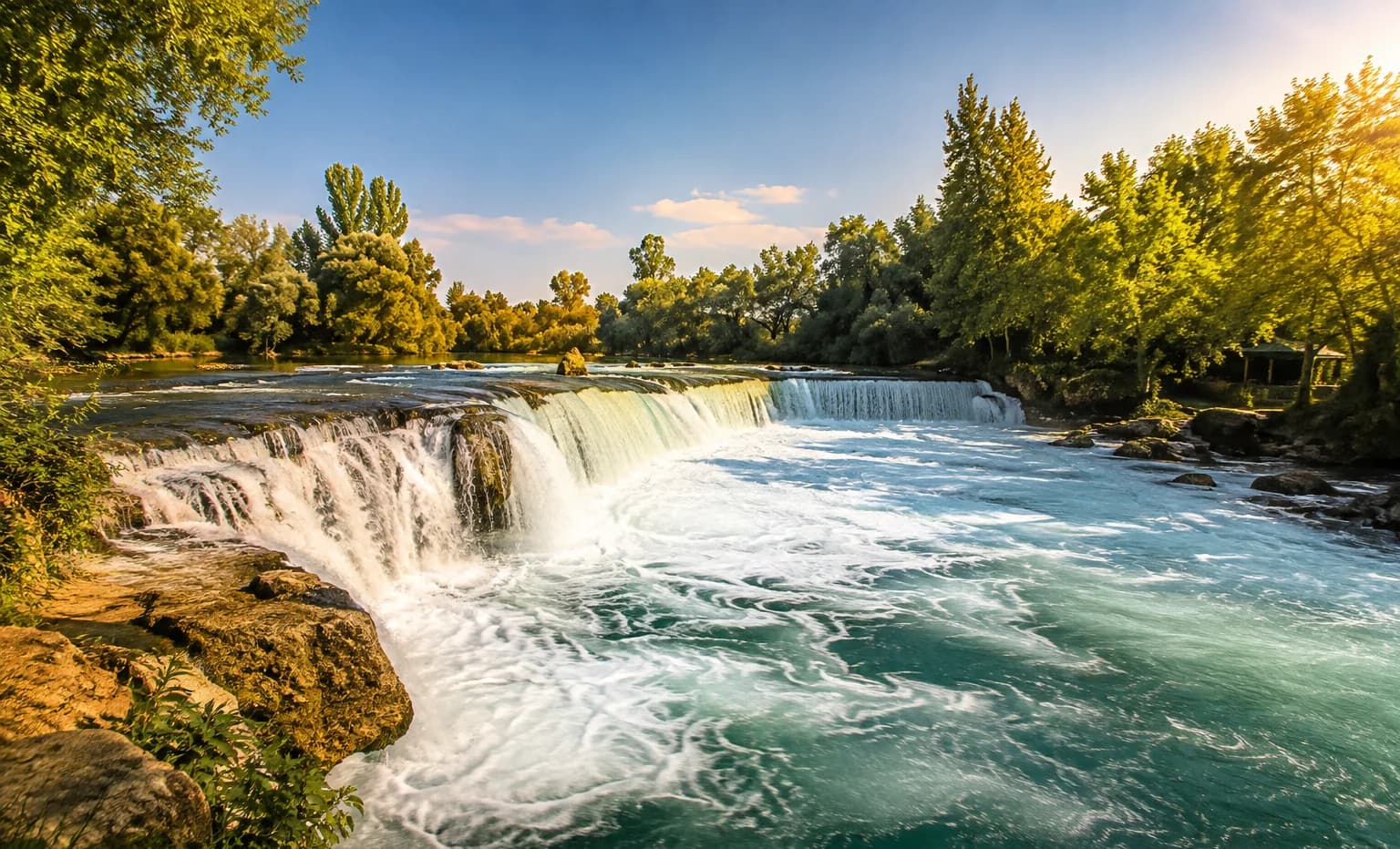
Manavgat Şelalesi lies just outside Manavgat town, close enough to the eastern beach resorts around Side that it works as a half-day add-on rather than a full excursion. The waterfall itself is wide and low rather than dramatic, spread across the Manavgat River, with tea gardens lining the banks where visitors sit and watch the water. It suits travelers looking for an easy, low-key stop between beach time rather than a strenuous hike.
Myra sits inland at Demre, a working town rather than a beach resort, so most visitors arrive by car or coach specifically for the ruins rather than passing through on a coastal stroll. The ancient Lycian city is known for its rock-cut tombs carved into the cliff face above the valley and for a well-preserved Roman theater at the base. Together the two sites give a compact but detailed look at Lycian and Roman-era building traditions in this part of Antalya province.
Olympos in Kemer is where ancient ruins and forest overlap rather than sitting apart in an open archaeological park. Columns, walls and tomb fragments from the old Lycian city appear scattered among trees, so the walk feels more like a hike than a museum visit. It sits away from central Antalya, on the Kemer coast, which keeps it quieter than the sites closer to the city. Travellers staying in Kemer or nearby coastal towns are better placed for a visit than those based in central Antalya.
Patara, in the Kaş area, combines an ancient city with a long natural beach right beside it, an unusual pairing for the region. It was the capital of the Lycian League and is described as the birthplace of St. Nicholas, giving the ruins some historical weight beyond the scenery. Given the distance from central Antalya, it works best for travellers already staying around Kaş who can treat it as a combined ruins-and-beach day rather than a quick stop.
Perge sits in Aksu, close enough to central Antalya to work as a half-day trip rather than a full excursion. The site is large by regional standards, with a Hellenistic gate, a colonnaded street, a stadium, a theater and baths still traceable on the ground, and it's also noted as a place Saint Paul visited. Its proximity to the city center makes it one of the more convenient ancient sites for travellers not staying near the coast.
Phaselis is spread across three natural harbours on the Kemer coast, with pine forest running down almost to the water on either side of the ruins. The remains of an aqueduct and paved ancient streets sit close enough to the shoreline that visitors can move between exploring the Lycian-Roman port city and swimming in one of its bays in the same visit. Compared with busier sites nearer central Antalya, Phaselis feels more like a forested coastal park that happens to hold ancient ruins.
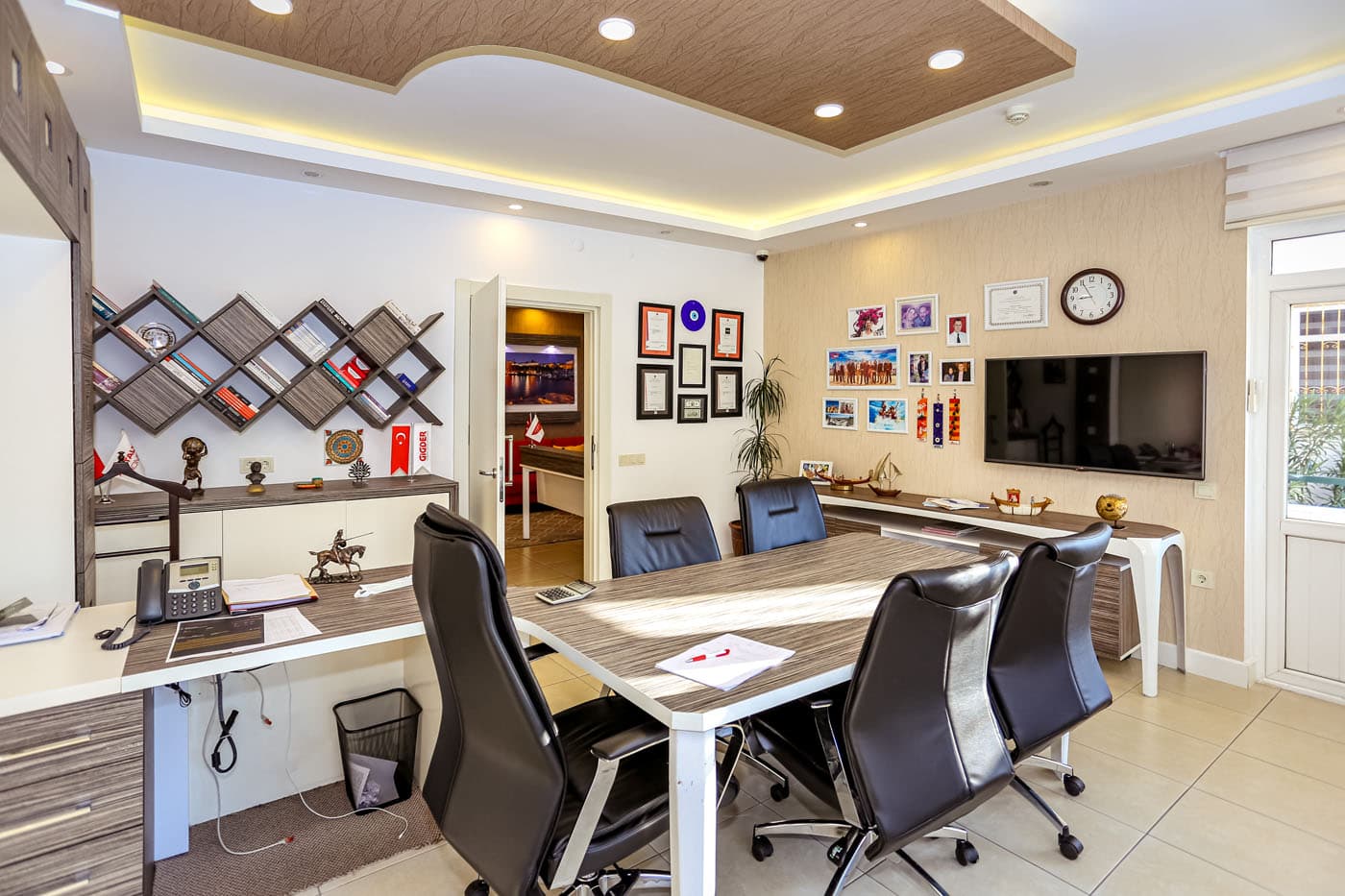
Praedium Emlak is a real estate agency in Kalkan, Antalya, Turkey. It can be a useful contact for anyone looking for property options in the Kalkan area.
Selge Antik Kenti is another Manavgat-district entry, grouped with Köprülü Kanyon in the same inland part of the region. It sits away from the built-up resort strip, which makes it more of a considered day trip than a stop travellers pass on the way between beach towns, usually reached together with the canyon rather than on its own.
Side's ancient ruins sit right inside the modern town, not fenced off on the outskirts, so the columns of the Apollo and Athena temples, a large Roman theatre and the old agora share the same streets as the shops and restaurants along the harbour. That makes Side Antik Kenti one of the more walkable historical sites on the Antalya coast for visitors staying in the area, easy to combine with an evening by the water rather than a dedicated day trip out of the city.
The Apollo Temple in Side stands on the coast of the Side district, well east of central Antalya, with five re-erected columns that have become a symbol of the town. It sits right by the water, which is why it's known as a classic sunset photography spot. Travellers based in Side itself have it close at hand; from central Antalya it's more of a planned trip than a casual stop, worth timing for the late-afternoon light.
Simena, also known as Kaleköy, sits in the Demre area and is reachable only by boat or on foot, which keeps it apart from the more accessible sights around central Antalya. A small medieval castle overlooks the village, and the surrounding waters hold the sunken tombs the Lycian settlement is known for. Because there's no road access, it suits travellers already exploring the Demre or Kaş coastline rather than a same-day trip from the city center.
Tahtalı Teleferik sits above the Kemer coastline south of central Antalya, a cable-car attraction that draws day-trippers away from the beach resorts for a few hours. Because it's grouped with the town's other places-to-visit rather than tucked into a quiet backstreet, it tends to be one of the busier stops for visitors staying along this stretch of coast, easy to combine with a morning at the sea and an afternoon up in the hills above Kemer.
TEKCE Real Estate is a real estate office located in the Lara neighborhood of Antalya. They specialize in property transactions and offer various real estate services to clients.
Termessos is listed among Antalya's places to visit, situated inland in the Döşemealtı district rather than along the coast. That inland setting means it sits apart from the beach-resort crowds of Kemer or Lara, appealing more to travellers willing to head away from the shoreline for a quieter, more rural stretch of the region on the outskirts of Antalya city, away from the usual tourist strip.
Xanthos was the capital of ancient Lycia, and the inscribed columns and monumental tombs still standing on the site reflect that former importance. It lies in the Kaş area, some distance from central Antalya, close enough to the ruins of Letoon that the two are usually visited together rather than as separate trips, which suits travellers based along the quieter western coast rather than those staying near the city centre.
Yanartaş, known as the Chimaera, is on the Kemer coast rather than in central Antalya, and it's built around a short evening hike up the hillside. Small flames burn continuously straight out of the rock, a natural gas phenomenon tied to the ancient Chimaera myth. Because the effect is more striking after dark, it suits travellers staying in or near Kemer who can time a visit for evening rather than those making a long trip from the city center.
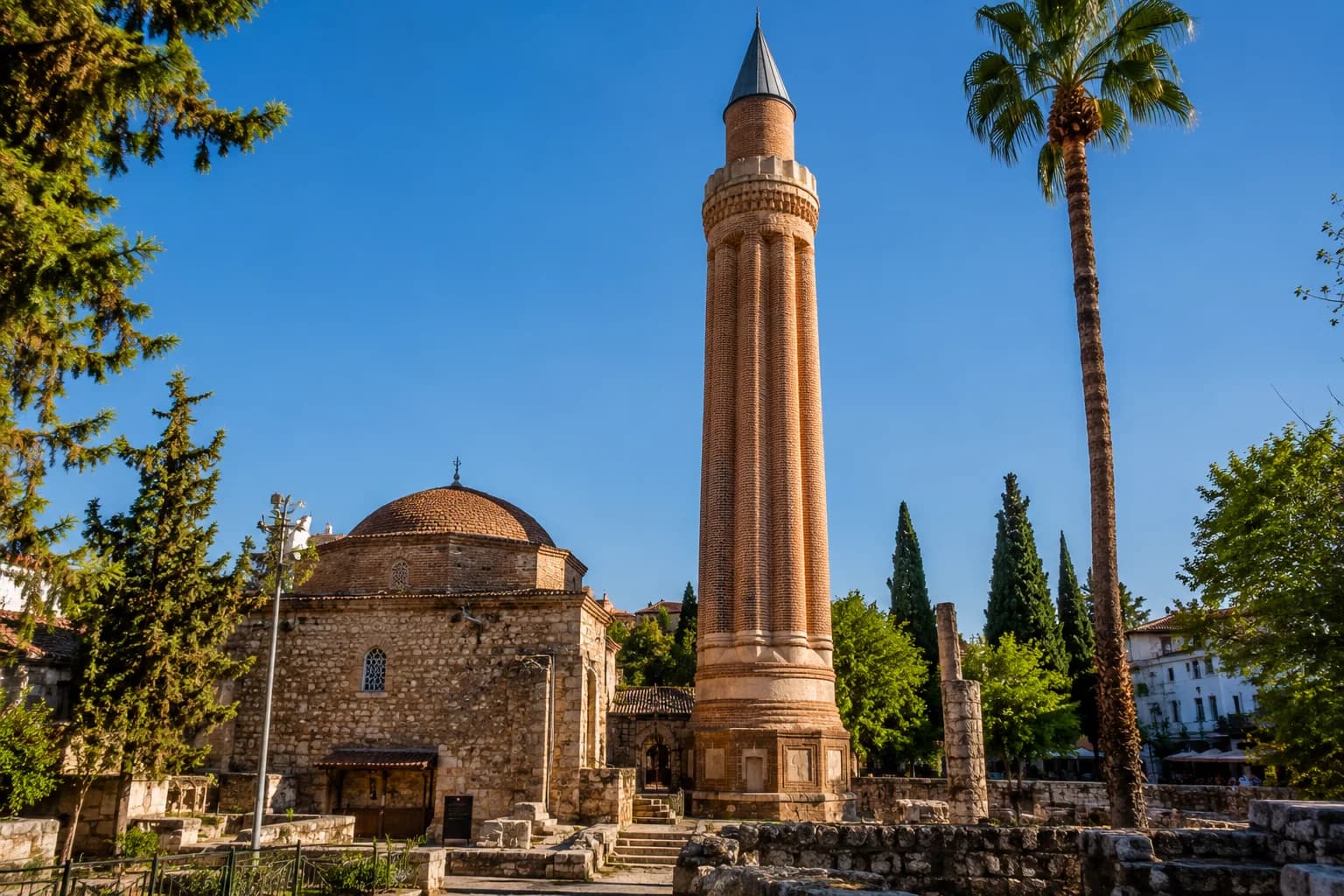
Yivli Minare stands right in Muratpaşa, inside central Antalya's old town area, making it one of the easiest historical sites to reach on foot if you're staying anywhere near Kaleiçi. Built in the 13th century under Seljuk ruler Alaeddin Keykubad, its fluted, ribbed body is distinctive enough that it's often used as a symbol of Antalya itself. Because it's embedded in the city rather than out at a separate site, it's easy to fold into an afternoon of walking around downtown.
Kepez's Yukarı Düden Şelalesi sits inland from central Antalya, easy enough to combine with a city day without feeling like a detour into nowhere. The waterfall drops into a wooded park that stays cooler than downtown streets, and a path leads behind the falls into a cave, a rare add-on for a green space this close to the city centre. It's more a half-day nature stop than a destination in itself, useful for travellers based in Antalya's central districts who want shade and moving water without driving far.
% Arabica is a restaurant located in the Lara neighborhood of Antalya. It offers a selection of food and beverages, catering to various tastes. The establishment is situated on Lara Caddesi, making it accessible for visitors in the area.
36 Konukzade Restaurant Pansiyon is a restaurant located in the Kaleiçi neighborhood of Antalya. This establishment offers a dining experience in a historic area known for its charming streets and architecture.

 3 photos